Introduction to Drone Insurance in Europe
Flying a drone in Europe requires more than just understanding the regulations – you also need appropriate insurance coverage. Whether you're a recreational hobbyist or a professional operator, drone insurance protects you from potentially devastating financial consequences if something goes wrong. This comprehensive guide explains the insurance requirements across Europe, the types of coverage available, and how to select the right policy for your needs.
Why Drone Insurance Matters
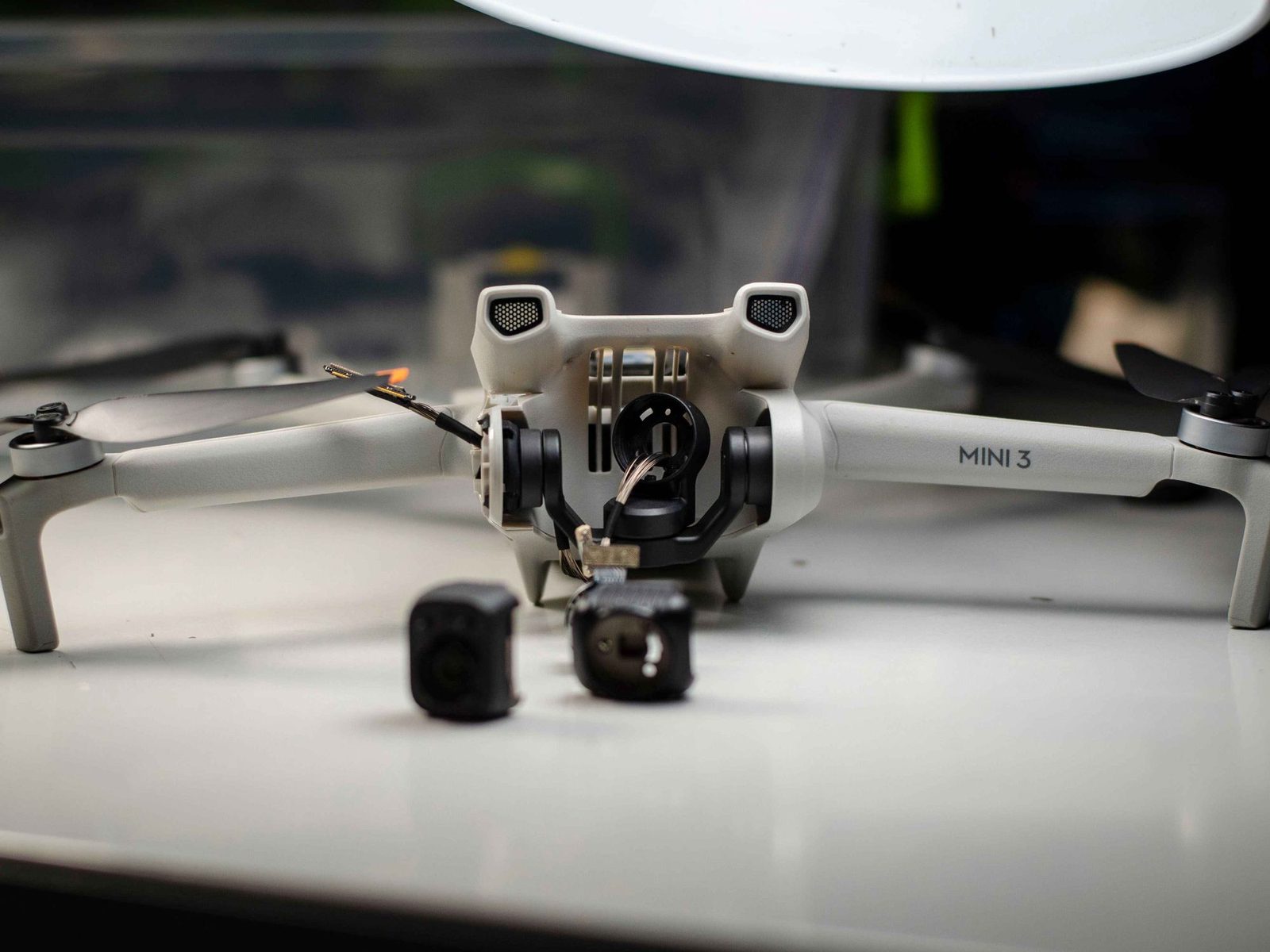
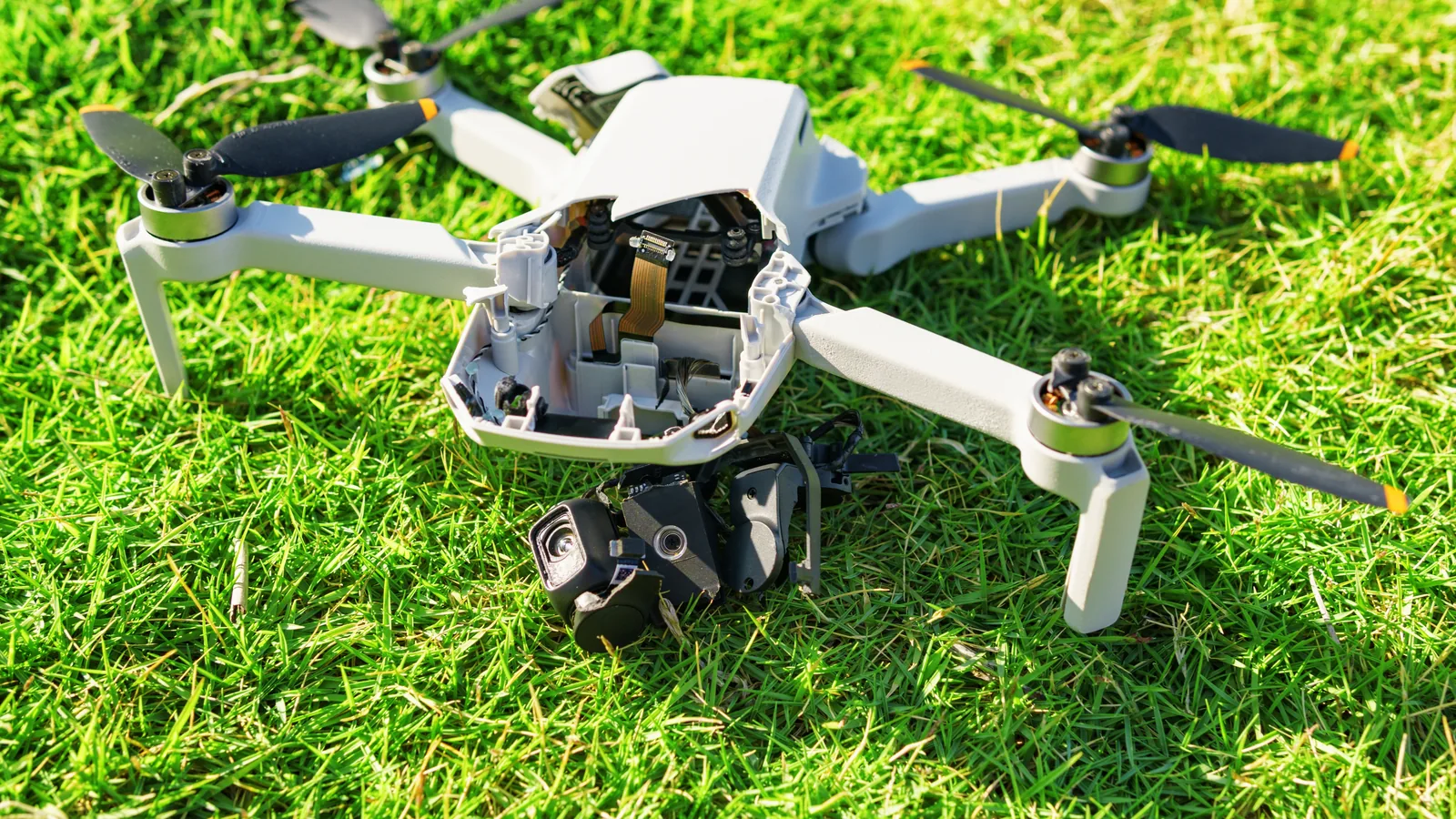
Drones, despite their sophistication, are flying objects that can cause significant damage or injury if things go wrong. A drone striking a person could cause serious injury. A drone crashing into a car could cause an accident. A drone colliding with another aircraft could have catastrophic consequences. Even a simple fly-away over private property could result in damage claims.
Real-World Scenarios
Consider these realistic scenarios that demonstrate why insurance is essential:
Scenario 1: You're filming a wedding reception when a sudden gust of wind causes you to lose control. Your drone crashes into the wedding cake and injures a guest. You face claims for the ruined cake, the guest's medical expenses, and potentially the cost of reshooting the wedding.
Scenario 2: While photographing a rural property for a real estate client, your drone's battery fails unexpectedly. It crashes through the conservatory roof of a neighboring property. You're liable for the repair costs and any damage to contents.
Scenario 3: During a recreational flight at a park, a child runs unexpectedly into your landing zone. You try to abort the landing but the drone strikes the child, causing injury. The child's parents sue for medical expenses, pain and suffering, and future care costs.
Without insurance, you would be personally liable for all these costs, which could easily reach tens or hundreds of thousands of euros.
Legal Insurance Requirements in Europe
EU Regulation 785/2004 sets minimum third-party liability insurance requirements for aircraft — but it explicitly excludes model aircraft and drones with a maximum take-off mass below 20 kg. Because virtually every consumer and prosumer drone weighs far less than 20 kg, there is no single EU-wide insurance mandate covering them. Whether insurance is legally required is instead decided country by country.
Minimum Coverage Requirements
Under EU regulations, drones are classified based on their maximum take-off mass (MTOM), with minimum insurance coverage corresponding to each class:
Drones of 20 kg and above: Where 785/2004 does apply, the minimum third-party cover for aircraft below 500 kg MTOM is 750,000 Special Drawing Rights (SDR) — roughly €930,000–950,000. For the sub-20 kg drones almost everyone flies, this figure is not an EU legal floor; any requirement comes from national law instead.
This might seem like a substantial amount for a small recreational drone, but it reflects the potential severity of injuries or damage that even small drones can cause. The regulation recognizes that liability isn't necessarily proportional to drone size – a 249g drone striking someone in the eye could cause as much personal injury as a much larger drone.
National Implementation Variations
National rules are not variations on one shared threshold; they are separate requirements with different scopes. Germany, Austria, Belgium, Slovenia, Malta and Luxembourg require cover broadly. Switzerland and Liechtenstein start above 250 g, Portugal above 900 g, Poland covers the 250 g–20 kg band, and the Czech and Slovak rules depend on the operating subcategory. The UK requirement is principally commercial. Other countries use still different thresholds or conditions.
That list is deliberately not presented as a permanent Europe-wide table. National rules change, and two countries in our current dataset have published material that does not let us state a clean threshold at all. Use the country comparison, then open the destination page for its scope, source and any unresolved point.
Recreational vs. Commercial Considerations
For the sub-20 kg drones used by almost all recreational and light-commercial pilots, the EU-wide rule does not answer the question. National law does. A recreational label is not automatically an exemption: some states require cover for nearly every outdoor flight, some use a weight threshold, and some attach the duty to A2, A3 or the Specific category. Check the destination even when your home country does not require a policy.
Types of Drone Insurance Coverage
Understanding the different types of coverage available helps you select a policy that adequately protects you:
Third-Party Liability Insurance
This is the legally required coverage that protects you against claims from others for bodily injury or property damage caused by your drone operations. Key aspects include:
Bodily Injury Coverage: Pays for medical expenses, rehabilitation costs, lost income, and pain and suffering claims if your drone injures someone.
Property Damage Coverage: Covers repair or replacement costs when your drone damages property belonging to others – buildings, vehicles, landscaping, or other possessions.
Legal Defense Costs: Most policies include coverage for legal fees to defend against liability claims, even if those claims are ultimately unsuccessful.
Hull Insurance (Physical Damage)
While not legally required, hull insurance covers damage to or loss of your own drone equipment. Given that professional drones and their accessories can cost thousands of euros, this coverage provides important protection:
Crash Damage: Covers repair or replacement costs when your drone crashes due to pilot error, mechanical failure, or environmental factors.
Theft Coverage: Protects against theft of your drone equipment, whether from your home, vehicle, or in the field.
Mysterious Disappearance: Some policies cover situations where your drone disappears without a clear cause – for example, a fly-away where the drone cannot be recovered.
Additional Coverage Options
Professional operators may need additional coverage types:
Invasion of Privacy Coverage: Protects against claims related to alleged privacy violations from drone photography or video.
Professional Indemnity: Covers claims arising from errors or omissions in your professional drone services – for example, if survey data proves inaccurate.
Equipment Coverage: Extends protection to ground equipment, controllers, cameras, sensors, and other accessories.
Choosing the Right Insurance Policy
Selecting appropriate drone insurance requires careful consideration of several factors:
Coverage Limits
Do not assume one European minimum. Regulation 785/2004 sets an SDR-based floor where it applies, while national rules below 20 kg use their own amounts — and some publish no minimum at all. A client contract, park permit or operational authorisation can also demand more than the legal floor.
Match the limit to the exact destination and operation. Ask the insurer to confirm the territory, drone weight, recreational or commercial purpose, operating category and any work near people or property in writing.
Geographic Coverage
Ensure your policy covers all locations where you plan to fly:
Single-Country Policies: Some insurers offer coverage only within one country. These may be less expensive but aren't suitable if you travel with your drone.
Pan-European Coverage: Policies covering all EU/EEA countries are available and essential for those who fly in multiple countries.
Worldwide Coverage: Professional operators or frequent travelers may need global coverage. Be aware that some countries have specific requirements that may not be met by standard international policies.
Exclusions and Limitations
Read the actual exclusions instead of relying on the product summary. Pay particular attention to:
- Territories not named in the policy, including countries outside the EU/EEA
- Commercial work on a recreational policy
- BVLOS, Specific-category or other authorised operations not declared to the insurer
- Flights that breach aviation rules, geographical zones or the policy's operating conditions
- Unlisted aircraft, payloads or modified equipment
Claims Process
Consider the insurer's claims handling reputation:
- How quickly are claims processed?
- Is there a dedicated drone claims team?
- What documentation is required for claims?
- Are there language considerations for non-local insurers?
How to compare drone insurance
Provider availability, underwriting and territorial cover change too often for a static list to be dependable. Compare policies by what the certificate actually says, not by brand recognition or a marketing page.
- Territory: every country on the trip must be included, not merely “Europe” as an undefined region.
- Purpose: recreational, paid work, training and client operations must match what you will do.
- Aircraft: check the maximum take-off mass, serial-number requirements and whether payloads are included.
- Liability limit: it must meet the destination's national minimum and any permit or client condition.
- Evidence: carry a certificate that identifies the operator, territory, dates and limit in a language an inspector can understand.
- Claims: check the excess, reporting deadline, legal-defence treatment and whether an incident abroad can be handled in English.
Best Practices for Drone Insurance
Follow these practices to ensure adequate protection:
Documentation
- Keep a copy of your insurance certificate with your drone equipment at all times
- Photograph your equipment and record serial numbers
- Maintain a flight log documenting each flight
- Save weather data and any pre-flight checks for flights where incidents occur
Policy Maintenance
- Review your coverage annually as your operations evolve
- Update your insurer if you acquire new or more valuable equipment
- Ensure continuous coverage – gaps in insurance leave you exposed
- Notify your insurer immediately of any incidents, even if you don't expect a claim
Claims Preparation
- Report incidents promptly to your insurer
- Gather evidence at the scene: photos, witness contact information, flight logs
- Preserve the drone and any damaged equipment for inspection
- Cooperate fully with the insurer's investigation
Official sources
- EASA — what to consider when getting drone insurance
- EUR-Lex — Regulation (EC) 785/2004
- DroneRulesEurope — national requirements and authority links by country
Conclusion
In several European countries drone insurance is a legal requirement, and everywhere it is strongly advisable — a crucial protection for your personal finances. The relatively modest cost of appropriate coverage is insignificant compared to the potential liability you could face from an accident. Take time to understand your coverage needs, compare policies from reputable providers, and ensure you maintain continuous, adequate protection for all your drone operations. Flying with proper insurance isn't just legal compliance – it's responsible operation that protects you, your business, and those around you.
Rules change and vary by country. Check the national authority before you fly — every country page links straight to it.