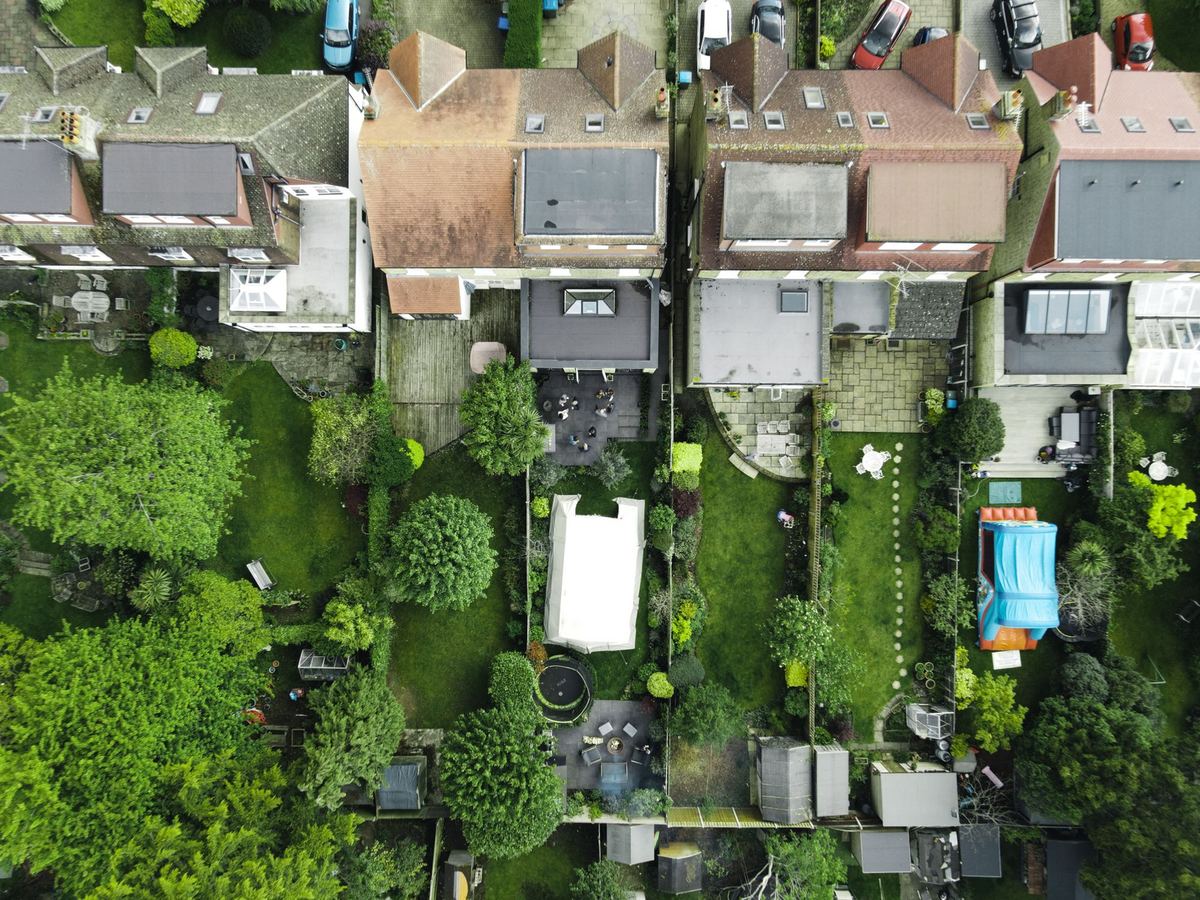
Introduction to Drone Privacy in Europe
A lawful flight is not automatically a lawful recording. Aviation rules decide whether and how the aircraft may operate; privacy, data-protection, image-right and surveillance rules govern what the camera captures and what happens to the material afterwards. These layers can produce different answers at the same location.
Drone footage becomes personal data when a living person can be identified directly or indirectly. A face is the obvious example, but a number plate, address, clothing, repeated route or combination of location and context can also identify someone. A wide landscape frame with no identifiable person is different from hovering outside a home with a zoom camera.
The GDPR and Drone Photography
The GDPR applies across the EU and EEA when personal data falls within its material scope. It does not create a special “drone consent form”; it sets principles and obligations for processing personal data. National law can add rules on image rights, private life, surveillance, property and publication.
Purpose, lawful basis and minimisation
Before recording identifiable people, define why the material is needed and identify an appropriate lawful basis. Consent is one possible basis, but it is not the only one and it is not valid merely because nobody objected. A professional operator relying on legitimate interests must assess necessity and balance the project against the rights and reasonable expectations of the people recorded.
Article 5 requires lawful, fair and transparent processing; a specified purpose; data minimisation; accuracy; limited retention; and appropriate security. For a drone operator, this means pointing the camera away from unrelated homes and people, recording only when needed, limiting resolution or zoom when identification is unnecessary, keeping material only as long as required and securing both the memory card and later copies.
The household exemption is contextual
The GDPR excludes processing by a natural person in the course of a purely personal or household activity. That is not a general exemption for hobby drones. The purpose, field of view, people affected and distribution all matter. Systematic recording beyond a private sphere or making footage available to an unrestricted public can take an activity outside the exemption. Treat “I am not being paid” and “I posted it on my personal account” as facts to assess, not automatic exemptions.
EU Baseline and National Rules
Country comparisons based on a supposed “privacy culture” are not reliable legal guidance. The GDPR baseline is shared, but national civil law, criminal law, image rights, surveillance statutes and the decisions of courts and data-protection authorities still differ. The United Kingdom uses the UK GDPR and Data Protection Act 2018 rather than EU GDPR.
Check the destination’s data-protection authority when the work includes people, homes or systematic monitoring. For publication, also check national image-right rules. For a professional inspection, event or mapping project, the client’s permission to commission the flight does not replace the rights of neighbours, employees or passers-by captured incidentally.
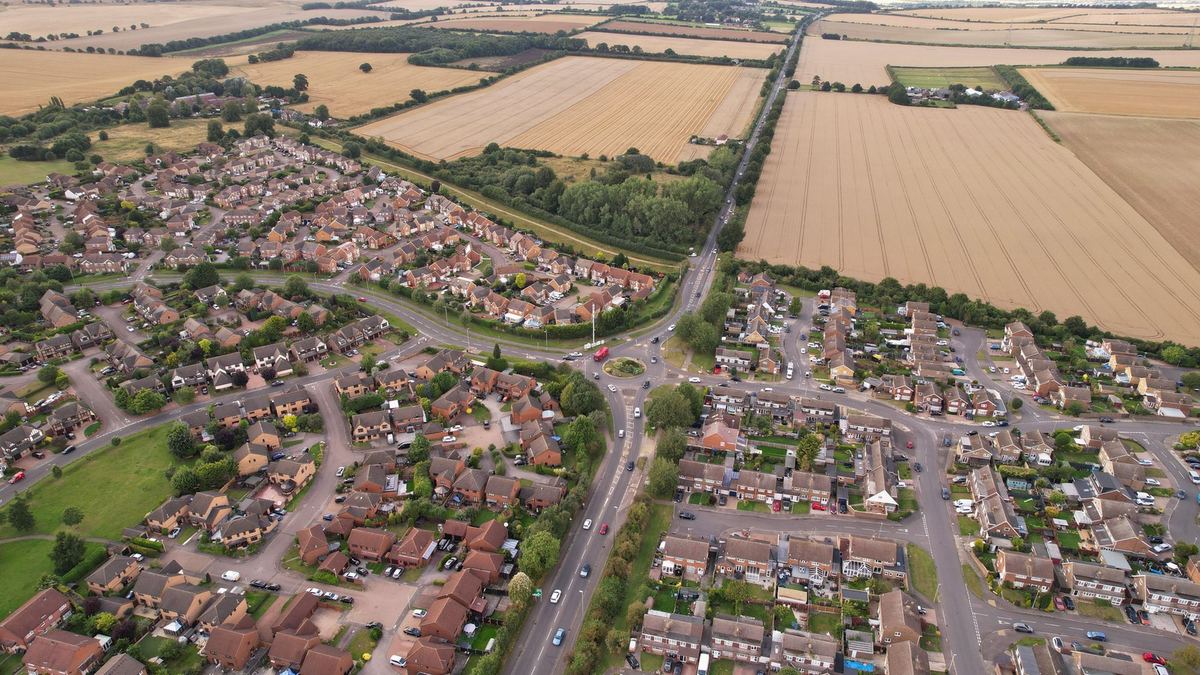
Privacy by Design Before and During Flight
Plan the camera, not only the route
- Define the subject and the minimum footage required.
- Choose angles that exclude windows, gardens, balconies and unrelated people.
- Decide when recording will start and stop; continuous recording should not be the default.
- Use the least intrusive sensor, focal length and resolution that meet the purpose.
- Assess whether signs, a website notice or direct information can tell affected people who is responsible.
- For higher-risk professional monitoring, consider whether a Data Protection Impact Assessment is required.
There is no universal altitude at which people automatically become anonymous. Identification depends on the sensor, lens, resolution, lighting, movement and other available information. Assess the actual footage and context rather than relying on a fixed-height rule.
Respond to the real situation
If people enter the planned frame, reframe, pause recording or land. Avoid lingering above homes or following an individual. If someone asks who is operating, provide a calm explanation and a way to contact the responsible person. An objection does not itself decide every legal question, but it is an important signal to reassess necessity and impact.
Information and Individual Rights
When you are a controller, people may have rights to information, access, rectification, erasure, restriction or objection depending on the circumstances and lawful basis. Your privacy information should identify the controller, purpose, lawful basis, retention period, recipients, contact route and how to complain to a supervisory authority.
A drone makes transparency difficult because people may see the aircraft but not the operator or purpose. Official guidance recommends practical measures such as signs near the operation and an accessible online privacy notice. Keep an index of the date and location of professional flights so a request can be checked without searching every file indiscriminately.
Publishing, Children and Sensitive Contexts
Publication is a separate processing step. Review footage before uploading it, crop or blur identifiable people and plates when they are not part of the purpose, remove audio that was captured unnecessarily and strip location metadata where it creates risk. A platform’s terms or upload button do not supply your lawful basis.
Take extra care at beaches, schools, hospitals, religious sites, protests and private events. Children and people in vulnerable or sensitive situations create higher risks. Do not record through windows or into enclosed private spaces. Journalism, artistic expression and public-interest work may engage national exemptions, but those exemptions are specific and should not be assumed for ordinary promotional or travel footage.
Security, Retention and Complaints
Protect stored footage against loss, theft and unauthorised access. Use device security and encrypted storage where appropriate, control who can download copies, and delete material on a documented schedule. If the aircraft or memory card is lost, assess whether the incident is a personal-data breach and follow the applicable notification rules.
A complaint may concern aviation, privacy, harassment, trespass or image rights, sometimes simultaneously. Preserve the flight plan, permissions and privacy assessment, stop unnecessary processing and respond through the correct controller contact. Do not publish a complainant’s identity or the dispute itself without a separate justification.
Practical Checklist
- Confirm the flight is lawful on the official UAS map.
- Define the recording purpose and lawful basis.
- Minimise the field of view, recording time and identifiability.
- Provide privacy information where required and practicable.
- Review and redact before sharing.
- Secure the files and set a retention period.
- Keep a process for access, objection and deletion requests.
- Check national privacy and image-right law for the destination.
Official Sources
- EUR-Lex: General Data Protection Regulation
- UK ICO: data-protection guidance for drones
- EASA: geographical zones for privacy and other risks
Conclusion
Privacy compliance is a process, not a fixed distance or a promise that the footage is “only recreational”. Decide what you need to record, minimise collateral capture, tell people what you are doing where required, secure the result and check the destination’s national rules before publishing. That approach produces better evidence of compliance and usually better, more intentional footage.
Rules change and vary by country. Check the national authority before you fly — every country page links straight to it.