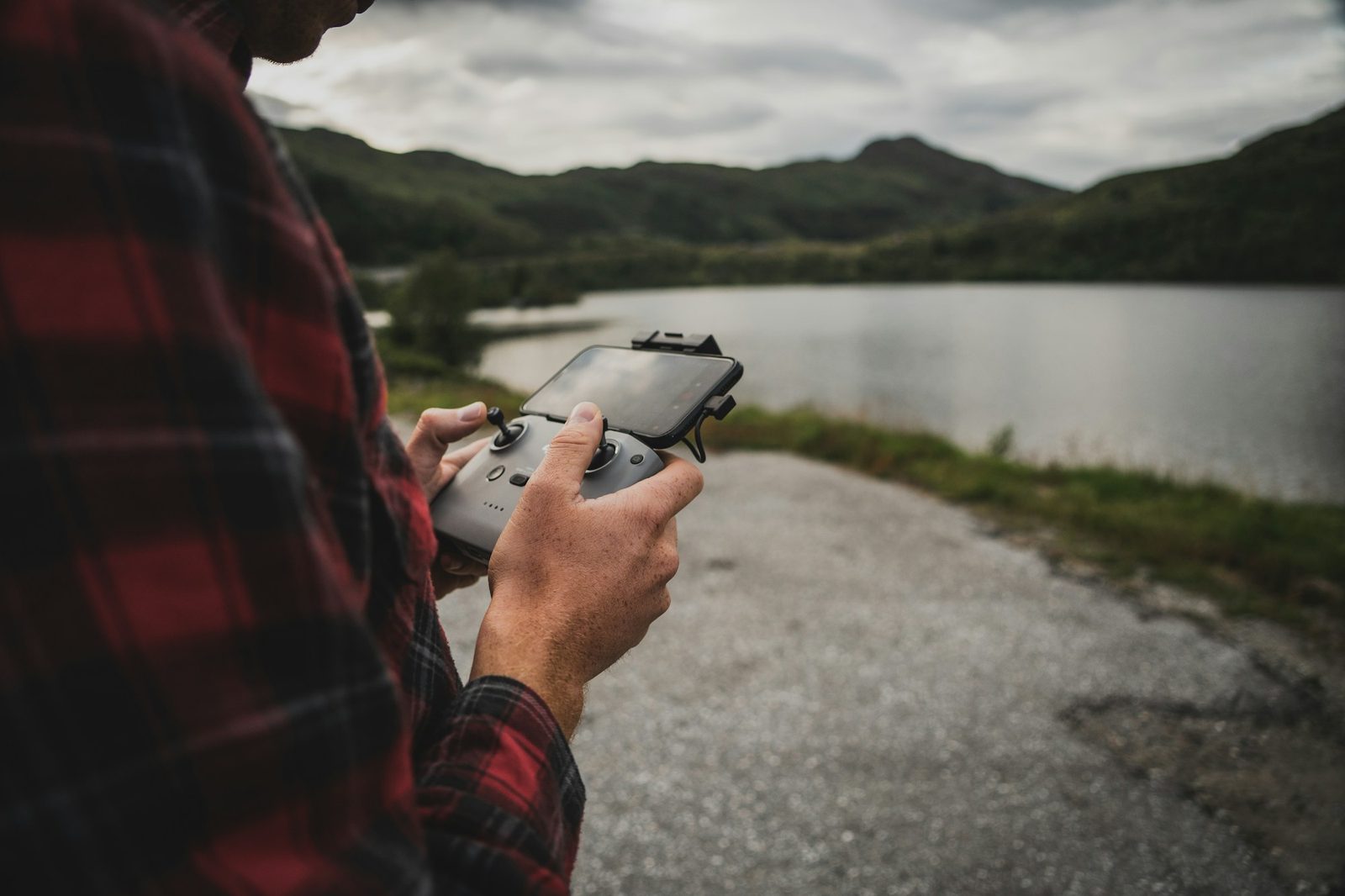
Welcome to the World of Drone Flying in Europe
So you have just bought your first drone, or you are thinking about getting one and wondering what rules you need to follow. You have come to the right place. Europe has clear regulations that might seem overwhelming at first, but once you understand the basics, following them is straightforward. This guide walks you through everything you need to know as a complete beginner, from choosing your first drone to completing your first legal flight.
Step 1: Choosing Your First Drone
Your first aircraft choice has regulatory consequences, but weight is not the only factor. Check the EU class mark, maximum take-off mass, sensors and the environment where you intend to fly. A CE mark alone is not a C0–C6 class mark.
The 250 Gram Threshold
In EU drone regulations, 250 grams is a critical weight threshold. Drones below 250 grams have the fewest restrictions and are the simplest starting point for beginners. Drones at or above 250 grams have additional requirements for registration, training, and operational rules.
Popular sub-250g drones like the DJI Mini series are specifically designed to stay under this threshold, making them ideal starter drones. They offer good camera quality, reasonable flight time, and simplified regulatory requirements. However, even sub-250g drones need registration if they have a camera, which virtually all of them do.
What to Look For in a Beginner Drone
Prioritise an appropriate EU class mark, clear manufacturer documentation, predictable controls, available batteries and propellers, and a camera that meets the actual purpose. Obstacle sensors and return-to-home are aids rather than guarantees. Use our evergreen beginner-drone checklist instead of a short-lived model ranking.
Step 2: Understanding the EU Drone Categories
European drone regulations use a risk-based category system. As a beginner, you will almost certainly be operating in the Open category, which covers low-risk flights that do not need special authorization.
The Open Category Explained Simply
The Open category is divided into three subcategories based on how close you fly to people.
A1 allows flying over people but only with the smallest and lightest drones. Sub-250g (C0) drones may fly over uninvolved people — with or without a camera. A camera only triggers the registration requirement; it does not remove the A1 overflight allowance. You must still never fly over assemblies or crowds. Heavier sub-900g C1 class drones can fly near people but should avoid intentionally passing directly overhead.
A2 allows flying close to uninvolved people with medium-sized drones. This requires a competency certificate and limits you to drones under 4 kilograms. You must maintain at least 30 meters horizontal distance from uninvolved people, reducible to 5 meters in low-speed mode.
A3 is for flying far from people. You must keep a safe horizontal distance from residential, commercial, industrial, and recreational areas. No uninvolved person should be within your flight range. This is where most recreational flying with larger drones takes place.
Which Subcategory Applies to You
If you buy a sub-250g drone with a camera like a DJI Mini, you can fly under A1 rules. This means you can fly in most areas as long as you do not intentionally fly over crowds of people. If you buy a larger drone, you will likely need to fly under A3 rules initially, which means staying far from people and built-up areas.
Step 3: Registering as a Drone Operator
Register as an operator when required. This generally includes aircraft of 250 g or more and lighter aircraft with a sensor capable of capturing personal data, unless the aircraft qualifies as a toy. A third-country visitor normally registers in the first EASA Member State where the operation will take place.
How Registration Works
Each EU country has its own registration portal, but the process is similar everywhere. You visit the national aviation authority website, create an account, provide your personal details, complete the registration form, receive your unique operator ID number, and mark your drone with this ID number. Registration is free in several countries (Spain, Italy, France, Portugal, Poland) and a modest fee in most others. Once registered in one EU country, your registration is valid across all EU member states. This means a German registration lets you fly in Spain, Italy, France, and everywhere else in the EU.
Marking Your Drone
After receiving your operator ID, you must physically mark your drone with this number. Use a small label or permanent marker to write the number where it can be read by authorities. Some pilots put it on the battery compartment or under a propeller arm. The number must be legible and accessible.
Step 4: Completing Required Training
Depending on your drone and intended operations, you may need to complete online training before flying.
A1 and A3 Online Training
For most beginners, the basic A1/A3 online training is sufficient. This training covers airspace rules and restrictions, drone safety principles, privacy and data protection, weather considerations, emergency procedures, and basic flight physics.
The A1/A3 course and examination are provided through the relevant national authority. Follow that authority’s current format and pass requirements rather than relying on a generic percentage. A2 additionally requires A1/A3 competency, practical self-training and the A2 examination.
A2 Certificate of Competency
If you want to fly larger drones closer to people under A2 rules, you need an additional certificate. This requires completing the A1/A3 training first, then passing a more advanced theoretical exam, completing practical self-training, and passing the A2 specific exam. This is not necessary for beginners starting with sub-250g drones.
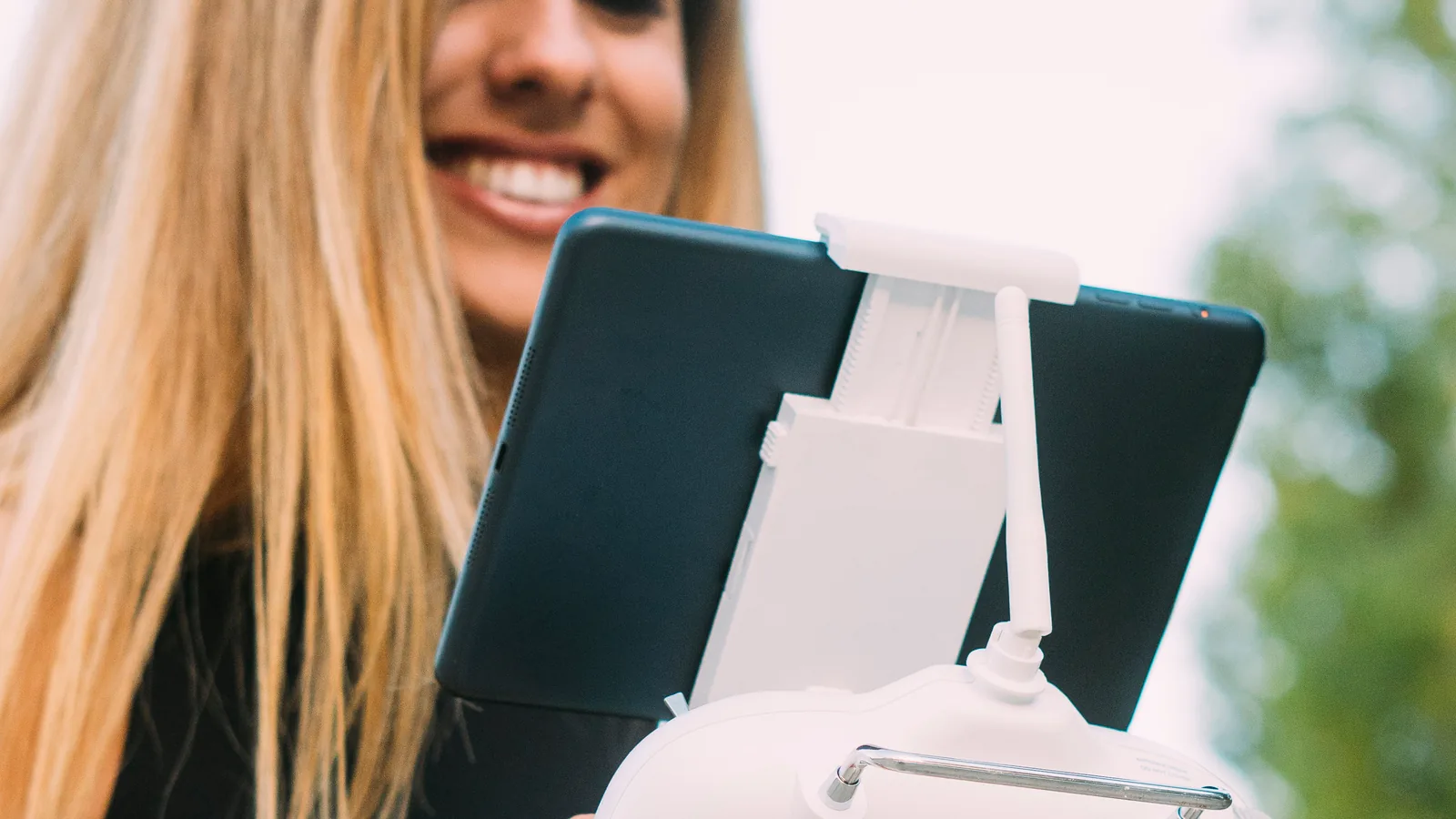
Step 5: Planning Your First Flight
With registration completed and training done, you are almost ready to fly. But before you take off, you need to plan your flight carefully.
Checking Airspace Restrictions
Every European country provides official tools for checking whether you can fly at a specific location. Download the relevant app for your country and check your planned flying location for restrictions. Common restrictions include areas near airports where flying is prohibited or limited, national parks and nature reserves that may ban drones, military zones and government buildings, and urban areas where specific rules apply.
Weather Assessment
Fly only in conditions within the aircraft manufacturer’s limits and your demonstrated skill. Check wind and gusts along the route, precipitation, visibility and temperature. Many consumer aircraft are not rated for rain. Avoid cloud or fog that prevents visual line of sight.
Location Scouting
Choose a location confirmed on the official map, with permitted ground access, few people, clear visual reference, a robust launch surface and light wind within the aircraft limits. Parks, fields and beaches can have site, A3, wildlife or seasonal restrictions, so none is a default practice area.
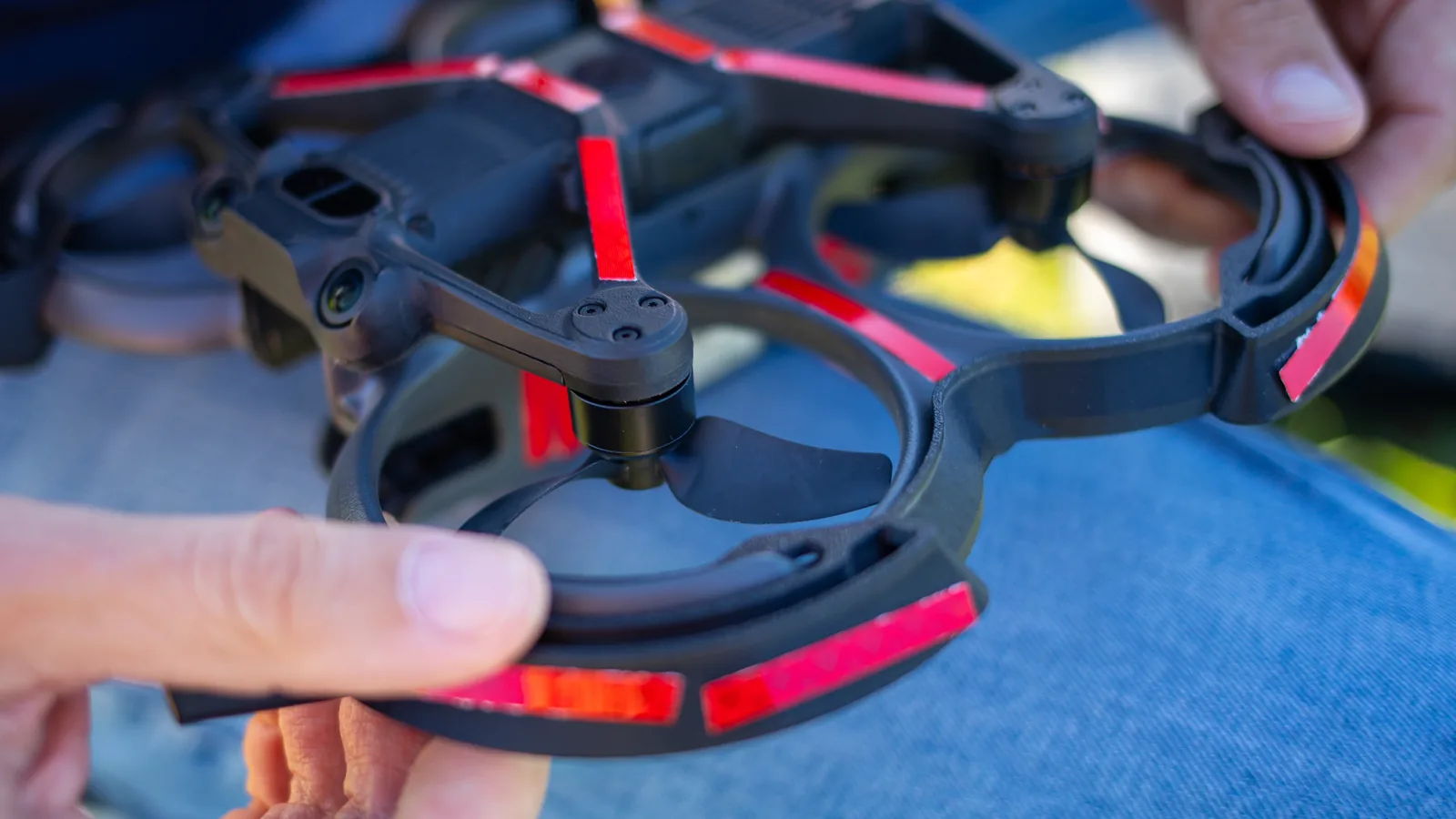
Step 6: Your First Flight
You have your drone, you are registered, trained, and have planned your flight location. Here is how to handle your first flight safely.
Pre-Flight Checklist
Before every flight, complete these checks. Ensure the battery is fully charged for both drone and controller. Inspect propellers for damage or cracks. Check that the camera gimbal moves freely. Verify your phone or tablet is charged and connected to the controller. Confirm GPS has locked on to sufficient satellites. Review the wind conditions one final time. Check the area around you for obstacles and people.
Taking Off
Use a suitable launch surface and follow the manufacturer’s start-up checks. Confirm the home point and navigation status; a universal satellite-count threshold does not prove positioning quality. A short, low hover in a clear area can help confirm control response, warnings and unusual vibration.
Basic Flight Maneuvers for Beginners
Start with gentle movements. Practice hovering in place at low altitude. Slowly fly forward, backward, left, and right. Practice gentle turns. Gradually increase altitude while maintaining control. Master the return to home function so you know how to bring the drone back automatically. Do not attempt complex maneuvers, high speeds, or aggressive flying on your first flights. Build your skills gradually.
Landing Safely
Plan the return and landing before a low-battery warning forces the decision. The appropriate reserve depends on the aircraft, battery condition, wind, distance and recovery area; use a conservative personal limit rather than treating one percentage as universal.
Step 7: Understanding the Rules During Flight
While flying, several rules must be followed at all times.
Visual Line of Sight
You must maintain visual line of sight with the unaided eye, corrective lenses excepted, so you can control the flight and avoid other aircraft, people and obstacles. A screen does not replace this. Remain close enough to judge orientation and surrounding airspace clearly; there is no universal legal distance in metres.
Maximum Altitude
You must not fly above 120 meters or approximately 400 feet above ground level. Your drone's altitude reading helps you monitor this, but remember that this limit is measured from the ground directly below the drone, not from your takeoff point. If you take off from a hill and fly over a valley, your altitude above ground changes.
Giving Way to Other Aircraft
If you see or hear a manned aircraft such as a helicopter, small plane, or paraglider approaching, you must immediately descend and move away to avoid any risk of conflict. Manned aircraft always have priority over drones.
Respecting People and Property
Do not fly directly over uninvolved people unless your drone class and subcategory specifically allow it. Never fly over crowds. Maintain distance from buildings and infrastructure. Respect privacy by avoiding filming people without their awareness or consent.
Step 8: After Your Flight
Good practices after each flight help maintain your equipment and keep you legal.
Post-Flight Equipment Care
Inspect the aircraft after landing and follow the manufacturer’s cleaning and battery-storage instructions. Smart batteries may discharge automatically to a configured storage level; do not impose one generic percentage on every chemistry and model.
Flight Logging
While not always legally required for recreational Open category operations, keeping a flight log is good practice. Record the date and time, location, duration, any incidents or observations, and weather conditions. This log can protect you if questions arise about a specific flight and helps you track your development as a pilot.
Common Beginner Mistakes to Avoid
Avoid common planning failures: assuming a small camera drone needs no registration, using manufacturer geofencing instead of the official map, flying beyond a clear visual reference, waiting for an automatic battery response, or continuing when people, aircraft or weather change. Do not operate while impaired; follow the applicable aviation law and manufacturer safety instructions.
Building Your Skills Safely
Becoming a competent drone pilot takes practice. Start with simple flights in open areas and gradually add complexity. Practice specific camera movements for better footage. Learn to read weather forecasts and understand how wind affects your drone at different altitudes. Join local drone communities or online forums where experienced pilots share advice. Consider taking an in-person training course if available in your area. Watch tutorial videos from experienced pilots but always prioritize safety over getting spectacular footage.
Conclusion
Official Sources
- EASA: Open category
- EASA: national authorities and official maps
- EASA: registration for residents and visitors
Flying a drone in Europe is accessible when registration, competency, aircraft class and the exact location are treated as separate checks. Choose a suitable aircraft, practise in a verified location and build skill without relying on automation or universal numerical shortcuts.
Rules change and vary by country. Check the national authority before you fly — every country page links straight to it.