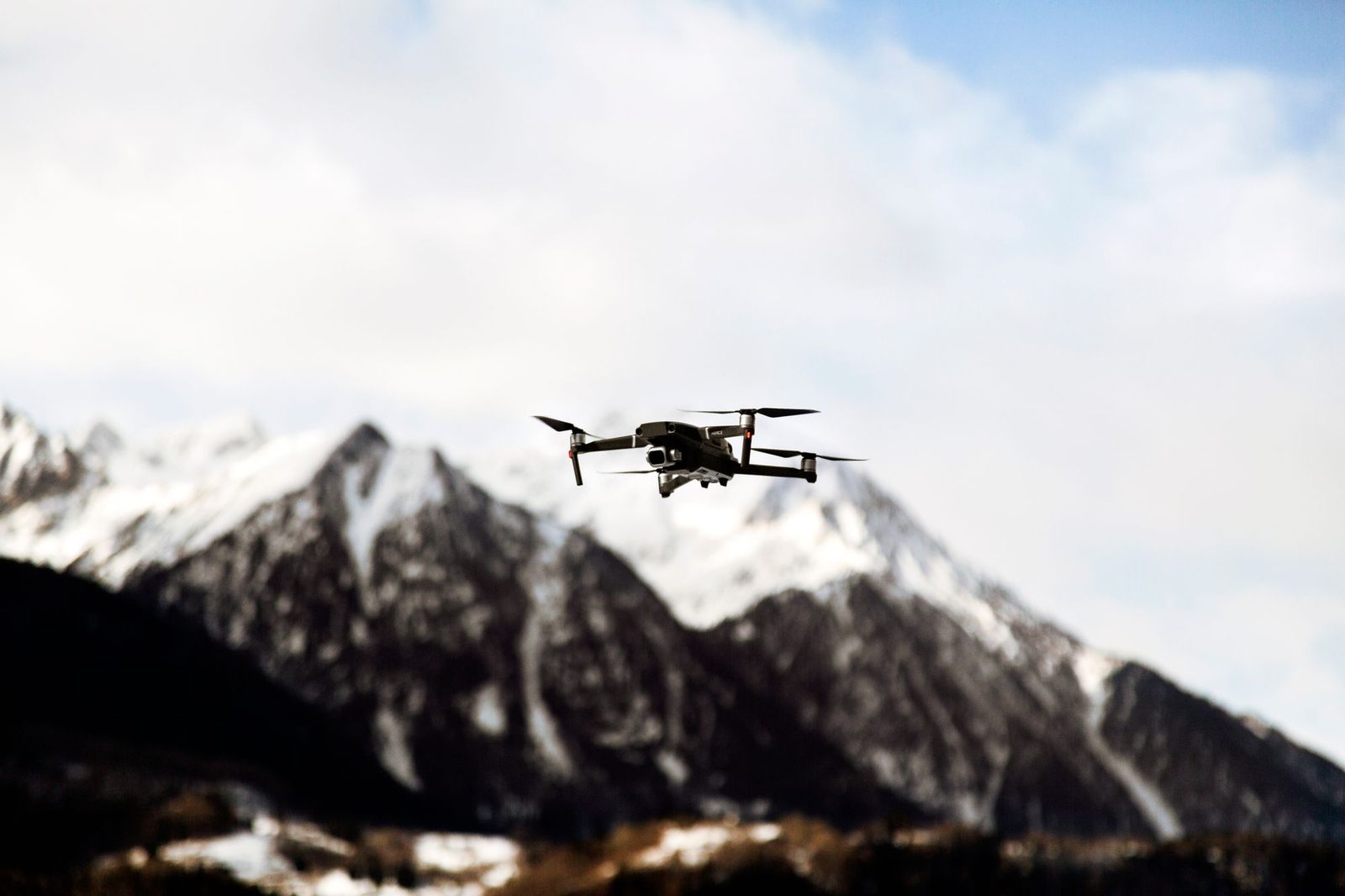
Why Cold Reduces Available Battery Performance
Cold increases battery internal resistance and can reduce the power and usable capacity available under load. The effect varies by cell chemistry, battery condition, aircraft and temperature, so the controller percentage is not a universal measure of safe remaining flight time.
The Science Behind Cold Battery Drain
Lithium polymer (LiPo) batteries power virtually all consumer drones. These batteries work by moving lithium ions between electrodes through a liquid electrolyte. When temperatures drop, this electrolyte becomes more viscous, slowing the movement of ions and increasing the internal resistance of the battery. The result is reduced capacity, lower voltage output, and a higher risk of sudden voltage drops under load.
Temperature Thresholds You Need to Know
Use the operating and charging temperature ranges in the manual for the exact aircraft and battery. Product limits differ, and a limit printed for one consumer model should not be applied to another. Do not extrapolate generic percentage-loss tables to a particular flight.
The Danger of Voltage Sag
The most dangerous aspect of cold weather flying is not the gradual reduction in capacity but the risk of voltage sag. When a cold battery is asked to deliver high current, such as during aggressive maneuvering or fighting strong winds, the voltage can temporarily drop below the minimum threshold. This can cause the drone to enter emergency landing mode or simply lose power entirely. This risk increases as the battery discharges, meaning the last 30 percent of a cold battery is far more dangerous than the last 30 percent of a warm one.
Pre-Flight Preparation for Cold Weather
Proper preparation before you fly is the most important factor in successful cold weather operations. The work you do before takeoff determines whether you will get useful footage or cut your session short.
Keeping Batteries Warm Before Flight
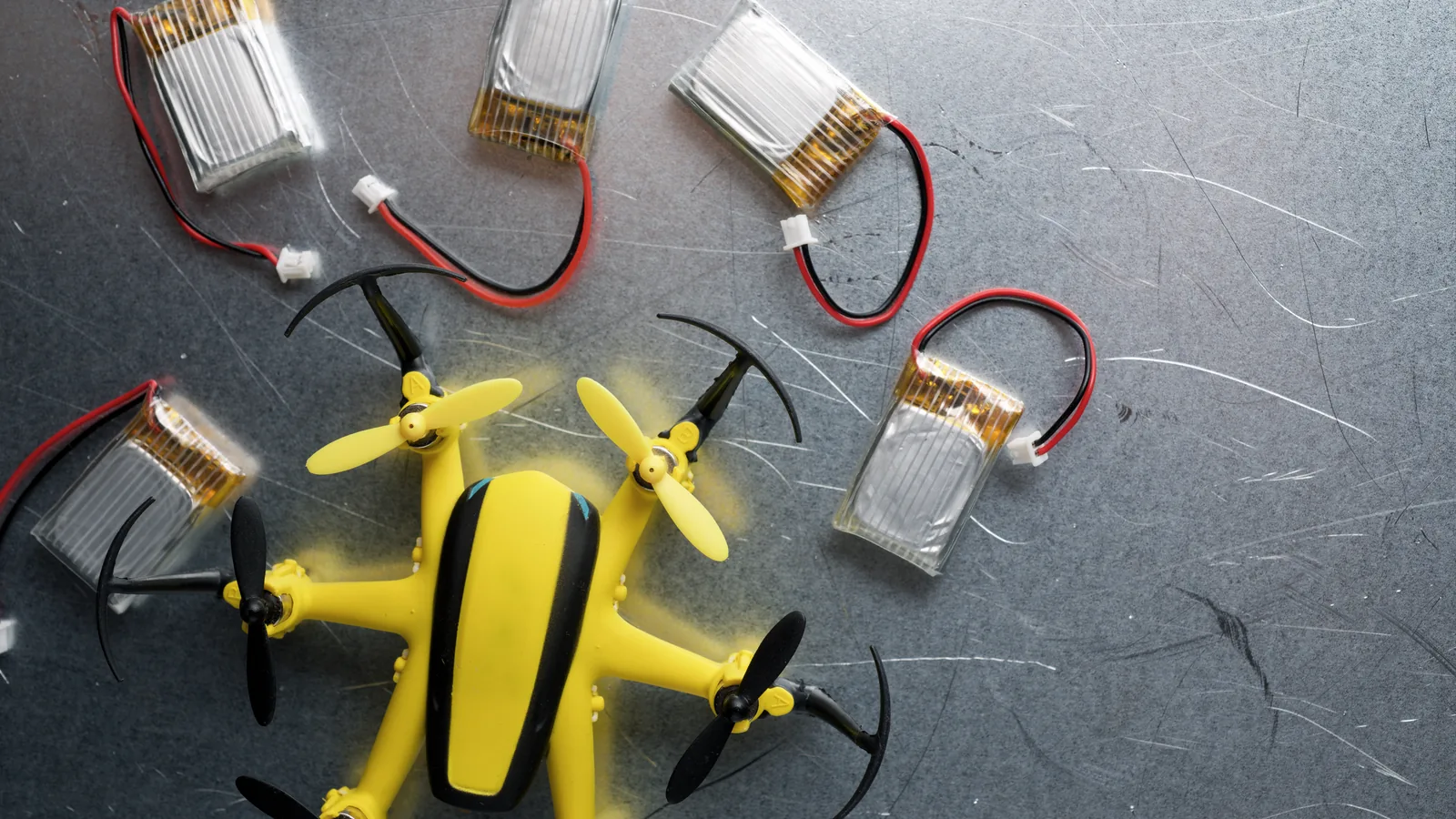
Transport batteries within the manufacturer’s limits and keep them in an insulated, dry container until needed. Use only warming methods approved for the product; uncontrolled heaters, direct skin storage, puncture pressure or excessive heat can create a battery hazard.
The Warm-Up Hover Technique
Follow the manufacturer’s cold-start procedure where one is specified. A short low hover in a clear recovery area can reveal warnings or abnormal voltage behaviour, but it is not a substitute for starting within the approved temperature range. Do not use a universal hover duration or battery-temperature threshold.
Battery Charging in Cold Conditions
Do not charge outside the battery and charger temperature limits. Allow a cold pack to warm gradually in a dry environment and inspect it before charging. Do not assume that every charger will block an unsafe attempt.
In-Flight Strategies for Cold Weather
Once airborne, your flying style needs to adapt to cold conditions to maximize flight time and safety.
Conservative Flight Planning
Set a conservative return and landing point from observed battery behaviour, wind, distance and available recovery sites. Fixed “use only 60 percent” rules are not portable between aircraft. Land early if voltage, temperature or consumption differs from the plan.
Smooth Flying Style
Aggressive stick inputs demand high current from the battery, increasing the risk of voltage sag in cold conditions. Fly smoothly with gentle inputs. Avoid rapid altitude changes, sharp turns, and sport mode. The cinematographic benefit is that smooth flying produces better footage anyway, so this restriction actually improves your output.
Altitude Considerations
Temperature typically decreases with altitude at a rate of about 6.5°C per 1,000 meters. If the ground temperature is 5°C, at 120 meters altitude it might be 4°C. This difference is small for the regulatory maximum altitude, but if you are flying in mountains where your takeoff point is already at 2,000 meters or higher, the combined effect of altitude and cold on battery performance is significant.
Monitoring Battery Health
Monitor the battery information and warnings available for the aircraft, set conservative return thresholds and land when consumption differs from the plan. Do not wait for a particular low percentage or an automatic emergency response.
Equipment Protection Beyond Batteries
Cold weather affects more than just batteries. Your entire drone system needs protection and consideration.
Motor Performance
Electric motors generally perform well in cold conditions, but the lubricants in motor bearings can become more viscous at low temperatures. In extreme cold, you might notice slightly higher motor noise or reduced responsiveness during the first moments of flight. This typically resolves as the motors warm during operation.
Gimbal and Camera Considerations
Camera gimbals use small motors that can be affected by cold. Some pilots report gimbal calibration issues in extreme cold. If your gimbal is behaving unusually, try recalibrating after the drone has been running for a few minutes. Condensation is also a risk when moving equipment between warm indoor spaces and cold outdoor conditions. Allow your drone to acclimatize gradually to prevent moisture forming on lens elements and electronic components.
Controller and Mobile Device Protection
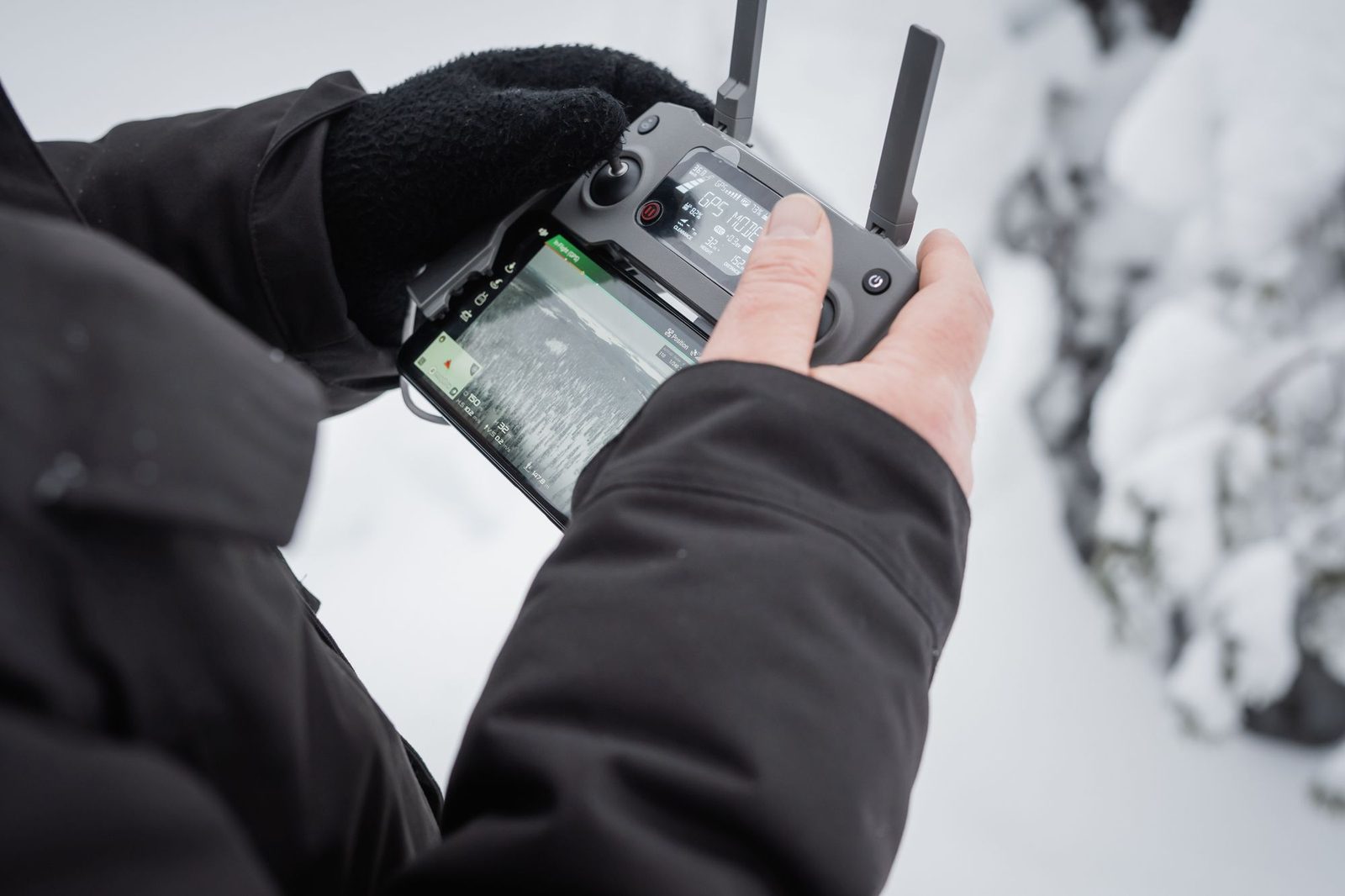
Your hands get cold, reducing your ability to operate the controller precisely. Touchscreen gloves or fingerless gloves with mitten covers are essential. Your smartphone or tablet screen may also become sluggish in cold weather, and its battery will drain faster. Keep the controller screen warm and consider using a sunshade or screen protector that provides some insulation.
Winter Flying Locations in Europe
Europe offers spectacular winter drone photography opportunities for those prepared to handle the conditions.
Scandinavian Winter Landscapes
Norway, Sweden, and Finland offer unique winter subjects including Northern Lights, frozen landscapes, and snow-covered fjords. Temperatures regularly drop below minus 20°C in Lapland, making battery management critical. The reward is footage that few other photographers capture.
Alpine Winter Photography
The Alps in winter present dramatic snow-covered peaks, frozen waterfalls, and pristine mountain valleys. Flying at altitude compounds cold effects on batteries. The clear, cold air often provides exceptional visibility and photography conditions.
Baltic and Central European Winter
Countries like Estonia, Latvia, Lithuania, Poland, and the Czech Republic experience cold winters with frozen lakes and snow-covered forests. Temperatures are less extreme than Scandinavia but still require cold weather preparation.
Essential Cold Weather Flying Kit
A winter kit may include a dry insulated battery container, landing pad, lens cloths, suitable gloves, spare propellers and power for the controller and phone. Any heater must be compatible with the battery instructions and kept from creating hot spots or moisture.
Common Cold Weather Mistakes to Avoid
Many pilots make predictable mistakes when flying in cold conditions. Taking off with a cold battery is the most common and most dangerous. Ignoring battery temperature warnings leads to emergency landings. Flying at the same battery percentages as warm weather flying gives no safety margin. Landing on snow without a landing pad can cause moisture damage. Failing to acclimatize equipment when moving between indoor and outdoor temperatures causes condensation. Pushing flight time because the footage is spectacular rather than landing safely is tempting but dangerous.
Conclusion
Official Sources and Instructions
- Use the operating, charging, storage and transport limits in the manual for the exact aircraft, battery and charger.
- IATA: passenger baggage information for batteries
- EASA: travelling with drones
Cold-weather flying requires conservative planning rather than a universal temperature or reserve formula. Start within the approved product limits, monitor real behaviour, preserve an early landing option and stop when the aircraft reports a condition outside the plan.
Rules change and vary by country. Check the national authority before you fly — every country page links straight to it.