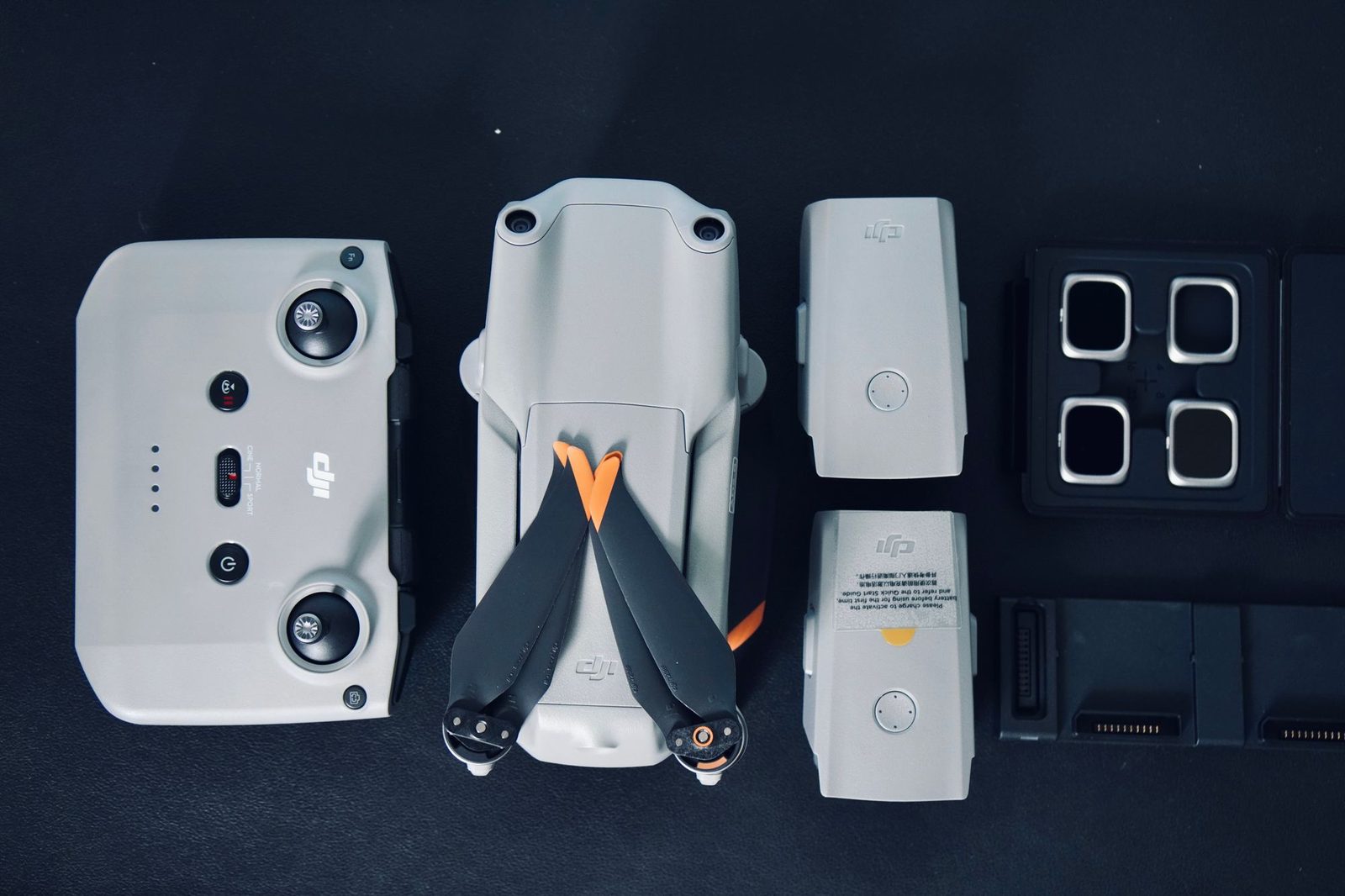
Introduction: Never Forget a Critical Step Again
A European drone trip combines one operating plan with several legal systems. One valid EU/EEA operator registration is generally recognised across the EASA system, but Switzerland, the United Kingdom and non-EASA destinations require separate checks. Geographical zones, insurance, privacy and site rules still vary in every country.
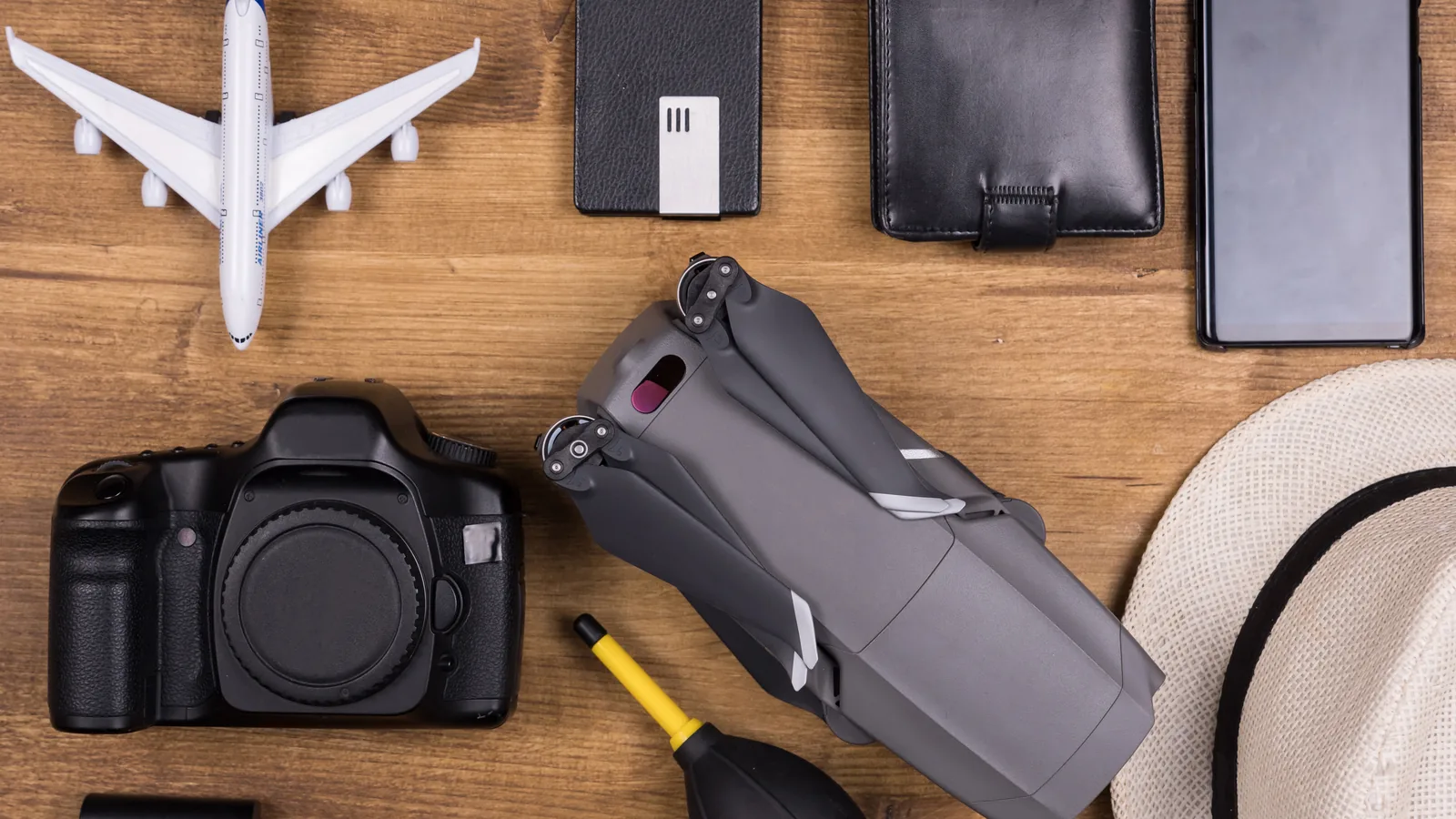
Pre-Trip Planning Checklist: Two Weeks Before Departure
Start your preparation at least two weeks before departure. Some steps require processing time that cannot be rushed.
Registration and Documentation
Confirm your drone operator registration is current and valid. If it has expired or you have not yet registered, do so immediately through your national aviation authority portal. Norway and Iceland are EEA members and recognise your EU/EEA operator registration — no re-registration needed. Switzerland and the post-Brexit UK run their own systems and require separate registration, so check those before you go.
Save your operator registration and competency evidence offline. Verify whether insurance is required for the aircraft and operation in each destination, and ask the insurer to confirm territory, purpose and coverage in writing. Do not assume one generic minimum applies across Europe.
Check whether your competency certificate or training completion documentation is current. Download or print proof of training completion. If you need A2 certification for your planned operations, ensure the certification process is complete well before departure.
Country Research
For each country on your itinerary, identify the national aviation authority and their drone portal. Download the official drone airspace app for each country you will visit. Research specific restrictions at your planned flying locations. Identify whether any locations require additional permits beyond standard registration. Check for seasonal restrictions that may affect your travel dates. Note the local emergency number and how to contact aviation authorities if needed.
Flight Location Planning
Research potential flying locations using satellite imagery and travel guides. Cross-reference locations with airspace restriction maps. Identify backup locations for each planned flying site. Note sunrise and sunset times for optimal photography windows. Check whether your locations require landowner permission for takeoff and landing. Research local weather patterns for your destination and travel dates.
Equipment Packing Checklist
The Drone Kit
Inspect your drone thoroughly before packing. Check all propellers for cracks, chips, or warping and replace any that show damage. Verify the gimbal moves freely and the camera lens is clean. Test all flight modes and ensure firmware is up to date. Update the drone firmware and controller firmware to the latest versions before leaving home.
Use a protective case or padded bag and the manufacturer’s transport protection. Pack the number of batteries appropriate to the work and permitted by the carrier, plus compatible charging equipment, spare propellers and storage media. Do not turn a suggested equipment list into an airline entitlement.
Camera and Accessories
Pack ND filter sets for controlling exposure in bright conditions. Bring a lens cleaning kit including microfiber cloths and lens cleaning solution. Include a portable landing pad, which is especially important for dusty, sandy, or uneven surfaces. Pack a small toolkit including precision screwdrivers for any field repairs.
Power and Connectivity
Bring the correct power adapters for your destination countries. European countries use various plug types including Type C, E, F, G, and others. A universal travel adapter is the simplest solution. Pack a portable power bank for charging the controller and your phone in the field. Ensure your phone has adequate data connectivity or pre-download offline maps for your destination areas.
Personal Gear
Bring sunglasses for glare reduction when tracking your drone against bright skies. Pack weather-appropriate clothing for your flying locations. If flying in cold conditions, include gloves that work with touchscreens. Bring a backpack comfortable enough for hiking to remote flying locations with all your gear.
Airline Travel Checklist
Battery Compliance
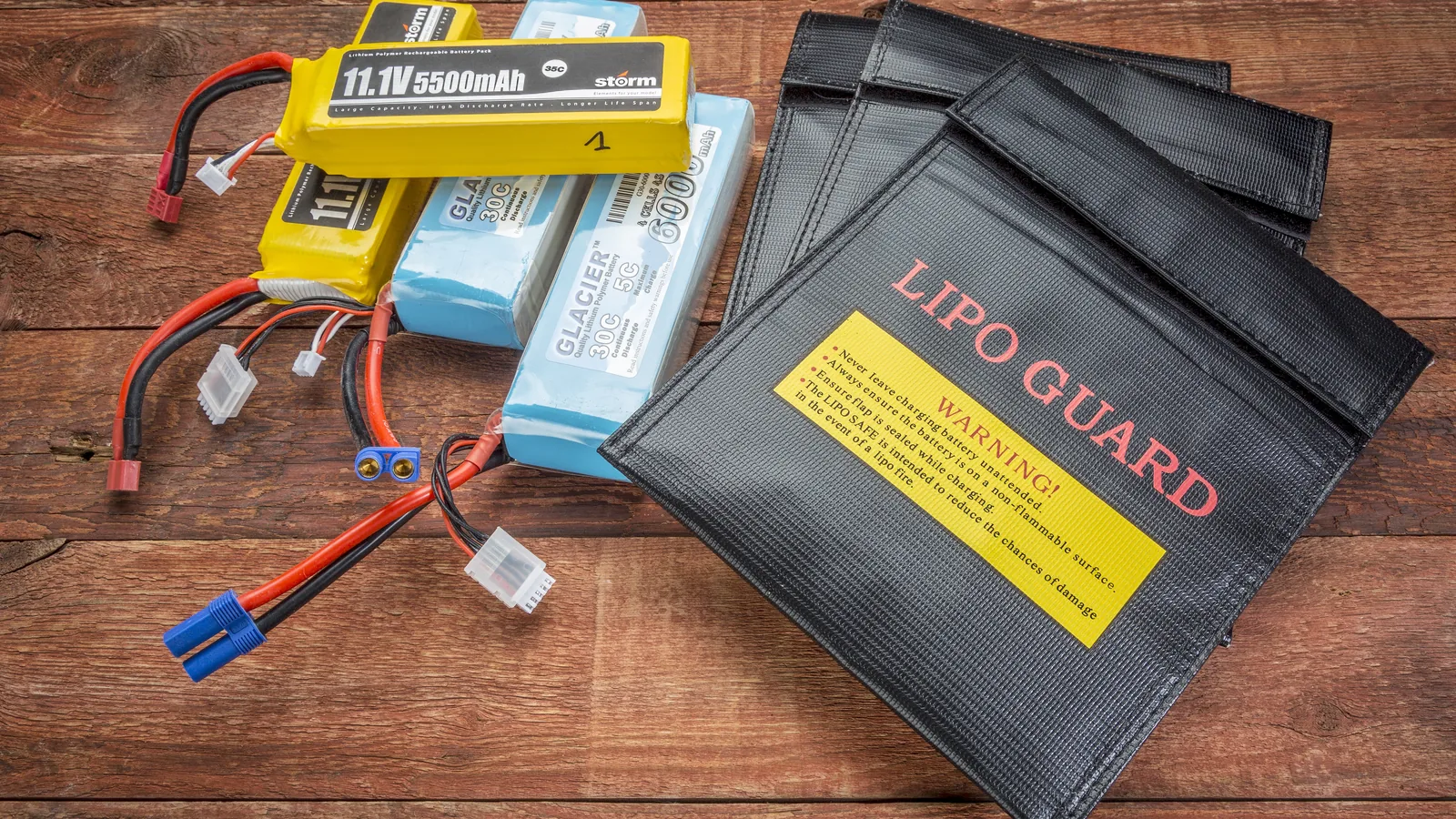
Check the watt-hour rating and the airline’s current rules before packing. IATA passenger guidance generally permits spare lithium batteries up to 100 Wh in carry-on baggage, with exposed terminals protected; 100–160 Wh batteries require operator approval and are limited, while larger batteries are not accepted as ordinary passenger baggage. The airline and national rules control the journey, so verify the exact number, installation, state-of-charge and packaging conditions directly.
Drone battery Wh calculator
Enter the figures printed on one battery. Airlines assess the watt-hour rating of each battery, not the combined total in your bag.
Airline Notification
Some airlines require advance notification when carrying drones or lithium batteries. Check your specific airline's policy on their website or by calling customer service. Some budget airlines have stricter or different rules than full-service carriers. If connecting through multiple airlines, verify the policy for each carrier.
Customs Documentation
Carry proof of purchase or ownership for your drone equipment. If your drone exceeds certain value thresholds, you may need to declare it at customs. Consider preparing a customs inventory list of all drone equipment with serial numbers and values. Keep this documentation accessible in your carry-on bag.
Day-of-Flight Checklist
Morning Preparation
Check an official or reputable meteorological source and the destination’s official UAS map. Follow the national authority’s route for temporary restrictions or NOTAM information. Confirm site access, parking and launch permission separately from the airspace.
At the Flying Location
Survey the area on arrival for obstacles, people, animals, and potential hazards. Identify safe takeoff and landing spots. Set up your landing pad on level ground. Check wind conditions at ground level and consider conditions at altitude. Review airspace restrictions one final time on your phone. Power on the drone and controller and wait for GPS lock. Verify the return to home point is correctly set. Check camera settings are appropriate for conditions. Perform a low hover check before committing to a full flight.
During Flight
Monitor battery level continuously and plan your return with adequate reserve. Maintain visual line of sight at all times. Watch for other aircraft including helicopters, paragliders, and small planes. Be aware of changing weather conditions especially cloud cover and wind. Keep flight smooth and controlled. Land immediately if conditions deteriorate or you feel uncertain.
After Each Flight
Inspect the drone for any damage after landing. Review footage to confirm you captured what you intended. Back up footage to a secondary device if possible. Clean the drone of any dust, sand, or moisture. Prepare batteries for the next flight or for storage. Log the flight in your records including location, duration, conditions, and any observations.
Post-Trip Checklist
Equipment Care
Inspect and clean the equipment according to the manufacturer’s instructions. Let batteries reach the prescribed storage condition, quarantine damaged or swollen packs and replace worn parts. Review firmware changes before applying them rather than updating immediately before the next flight.
Documentation
Organize and back up all footage in multiple locations. Note any locations that were particularly good or particularly restricted for future reference. Update your personal list of recommended flying locations. Share any regulatory information that could help other drone pilots.
Quick Reference Card
Create a small card to keep with your drone equipment containing your operator ID number, insurance policy number and emergency contact, your national aviation authority contact information, local emergency number 112 for most of Europe, and a reminder to check airspace before every flight. This card serves as a quick reference during flights and provides essential information if you need to show it to authorities.
Travel checklist
The things that actually stop people at the airport or on the first flight of the trip.
Conclusion
Official Sources
- EASA: travelling with drones
- EASA: national authorities and official maps
- IATA: passenger baggage information for batteries
A good travel checklist does not guarantee a flight; it makes the decision evidence-based. Prepare registration, competency, insurance, official map links, site checks, airline battery approval and a ground-camera alternative before departure, then recheck the live conditions at every destination.
Rules change and vary by country. Check the national authority before you fly — every country page links straight to it.