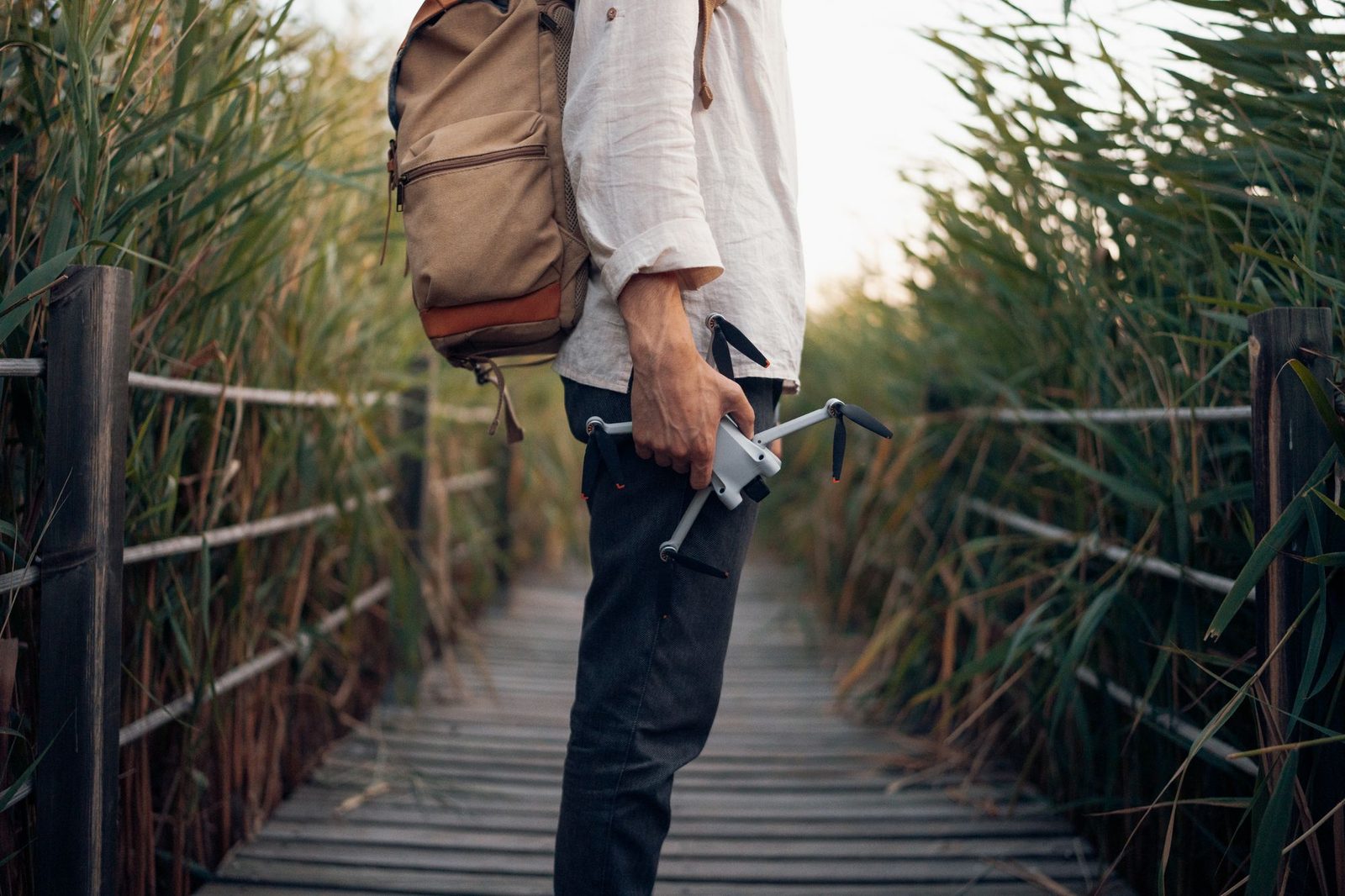
Introduction to Traveling with Drones in Europe
Traveling with a drone across Europe can be an incredibly rewarding experience, allowing you to capture stunning aerial footage of historic cities, dramatic coastlines, and breathtaking mountain ranges. However, preparing your drone for international travel requires careful planning and attention to detail. This comprehensive guide will walk you through everything you need to know about packing your drone, navigating customs regulations, and ensuring your equipment arrives safely at your destination.
Understanding Airline Regulations for Drone Transport
Before you even begin packing, it's essential to understand the regulations that govern transporting drones by air. Most airlines have specific policies regarding lithium batteries, which are found in virtually all consumer drones. These regulations are based on guidelines from the International Air Transport Association (IATA) and are designed to minimize fire risks during flight.
Lithium Battery Restrictions
The primary concern for airlines is the lithium polymer (LiPo) batteries that power your drone. These batteries are classified as dangerous goods due to their potential fire risk if damaged or short-circuited. Most airlines require that drone batteries be carried in your carry-on luggage rather than checked baggage. This is because the cabin is monitored and any fire can be quickly addressed, whereas a fire in the cargo hold could go undetected.
Each battery is typically limited to 100 watt-hours (Wh) for carry-on luggage without special approval; batteries of 100–160 Wh are allowed only with prior airline approval, and anything above 160 Wh is prohibited on passenger aircraft. Most consumer drone batteries, including the DJI Mini and Mavic series, sit well under this 100 Wh limit. However, larger professional drones may have batteries exceeding this threshold, requiring advance approval from the airline.
Packing Your Drone Properly
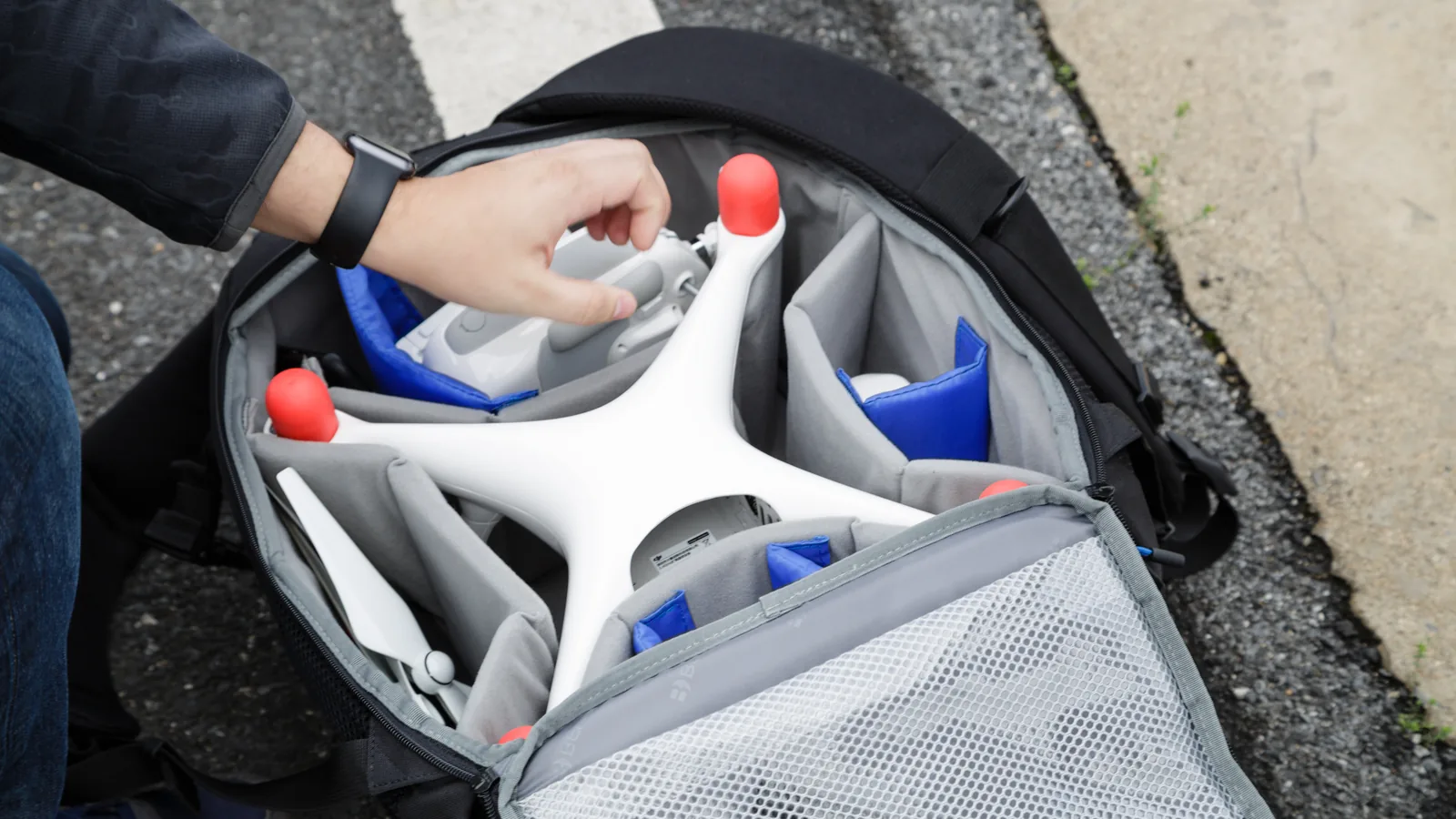
When packing your drone for air travel, consider investing in a quality hard-shell case that provides adequate protection against impacts and pressure changes. Your case should have custom foam inserts that hold your drone, controller, and accessories securely in place. Loose equipment can shift during handling and potentially cause damage.
Remove the propellers before packing, as they can be easily bent or broken. Store them in a separate compartment or wrap them in protective material. If your drone has a gimbal, use the gimbal protector or lock to prevent damage to this delicate component during transport.
Customs Declarations and Documentation
When entering European countries with your drone, you may need to declare your equipment at customs. While most personal drones don't require special import permits for temporary visits, having proper documentation can smooth your passage through customs and prevent delays.
Essential Documents to Carry
Always carry proof of purchase or ownership for your drone and accessories. This could be receipts, invoices, or even photos showing you with the equipment before your trip. This documentation proves that you owned the drone before entering the country and aren't importing it for sale.
If you've registered your drone with your home country's aviation authority, bring a copy of this registration. For EU countries, having your EU drone operator registration number readily available is essential. Print out copies of your registration confirmation and carry them with your travel documents.
Understanding Temporary Import Rules
Personal equipment carried temporarily for a trip is treated differently from goods being imported for sale, but the declaration route and traveller allowance depend on where you enter, where you live and the value and purpose of the equipment. Do not rely on one euro threshold for “Europe”. Check the customs authority for the country where you cross the border.
For professional equipment, an ATA Carnet may simplify temporary admission where the countries and use qualify. Confirm eligibility with the issuing chamber and the destination customs authority before relying on it; a carnet is not a substitute for aviation permission.
Pre-Trip Registration and Compliance
Before departing for Europe, ensure your drone registrations are in order. The European Union Aviation Safety Agency (EASA) regulations require drone operators to register in their home country (for EU residents) or in the first EU country they intend to fly in (for non-EU visitors).
EU Drone Registration
If you live in the EU or EEA, register in your country of residence. That operator number is valid across the EU/EEA, including Norway and Iceland. A visitor resident outside the EU/EEA registers in the first EU/EEA state where they intend to operate. Switzerland runs a separate registration, the UK has its own Operator and Flyer IDs, and several non-EASA countries require national paperwork or advance flight reporting.
Training and Competency Requirements
Competency follows the class mark and subcategory, not a simple recreational/commercial split. A C1 drone uses A1 and requires the A1/A3 online training and exam; a C2 drone flown in A2 also requires the A2 certificate of competency. An unmarked drone at 250 g or above is now limited to A3. Complete the correct certificate before travel and carry evidence of it.
Practical Packing Tips
Beyond the official requirements, practical considerations can make your drone travel experience much smoother. Here are detailed tips for packing your drone equipment effectively.
The Ideal Drone Travel Kit
Your travel kit should include: your drone with gimbal protector installed, remote controller, all batteries (within airline limits), charging equipment including any necessary adapters for European outlets (Type C, E, F, G depending on country), spare propellers, microSD cards, lens cleaning supplies, and a portable landing pad.
Consider the weight distribution in your luggage. Drone equipment can be heavy, and you want to stay within airline weight limits while also protecting fragile components. Distribute weight evenly and use soft items like clothing as additional padding around your drone case if it's packed inside larger luggage.
Power Adapter Considerations
Europe uses several different plug types. The most common are Type C (Europlug), Type E (France, Belgium), Type F (Germany, Austria, Netherlands), and Type G (UK, Ireland, Malta, Cyprus). Bring a universal travel adapter or specific adapters for your destination countries to ensure you can charge your batteries.
Insurance and Protection
Traveling with expensive equipment always carries risk. Ensure your drone is adequately insured for international travel, covering both damage and liability. Check whether your existing home insurance or travel insurance covers drone equipment, or consider specialized drone insurance that includes international coverage.
Liability Insurance Requirements
EU law gives a clear insurance answer above 20 kg. Below that, national rules differ sharply: some apply to almost every flight, others use a weight threshold, operating subcategory or commercial-purpose test, and some publish no minimum sum. Check the insurance section of every destination country guide and ask the insurer to confirm the territory and operation in writing.
Official sources
- IATA — travelling safely with lithium batteries
- EASA — travelling with drones
- DroneRulesEurope — operator registration and verified national costs
Conclusion
Preparing your drone for European travel requires attention to multiple details, from airline battery regulations to customs documentation and local registration requirements. By following this comprehensive guide, you'll be well-prepared to capture stunning aerial footage across Europe while staying compliant with all applicable regulations. Remember that regulations can change, so always verify current requirements before your trip and check with your specific airline regarding their drone transport policies. Safe travels and happy flying!
Rules change and vary by country. Check the national authority before you fly — every country page links straight to it.