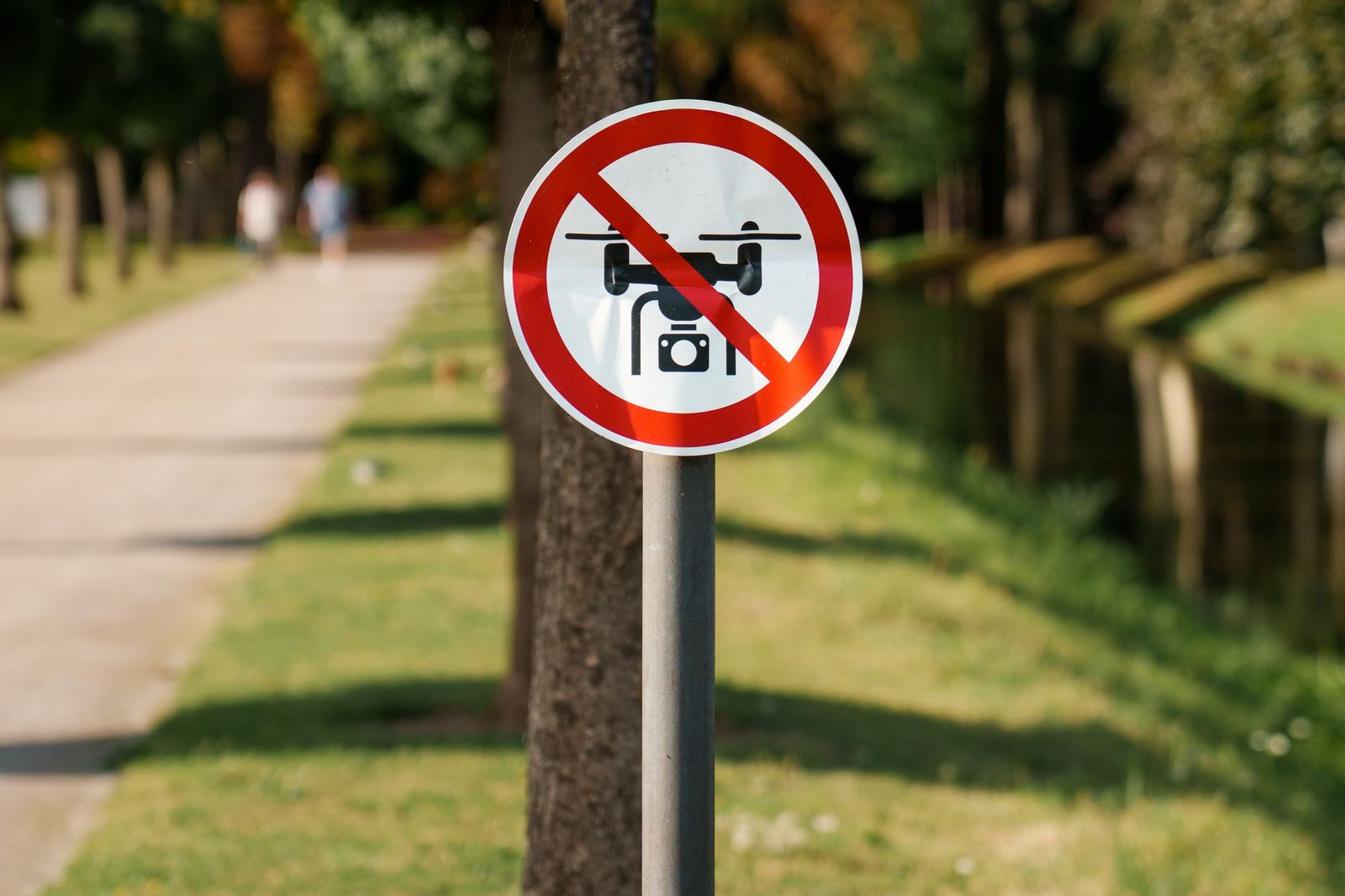
Introduction: The Real Cost of Drone Violations
There is no European fine schedule for drone offences. Each country uses its own aviation, criminal, privacy, heritage and protected-area law, and many publish only a legal maximum rather than a predictable ticket amount. The practical way to avoid a penalty is to remove the common compliance failures before take-off: registration, competency, insurance where required, the national zone map and permission from the land or site manager where separate rules apply.
Understanding How Enforcement Works
Enforcement of drone regulations varies significantly across Europe, and understanding how it works helps you stay compliant.
Who Enforces Drone Laws
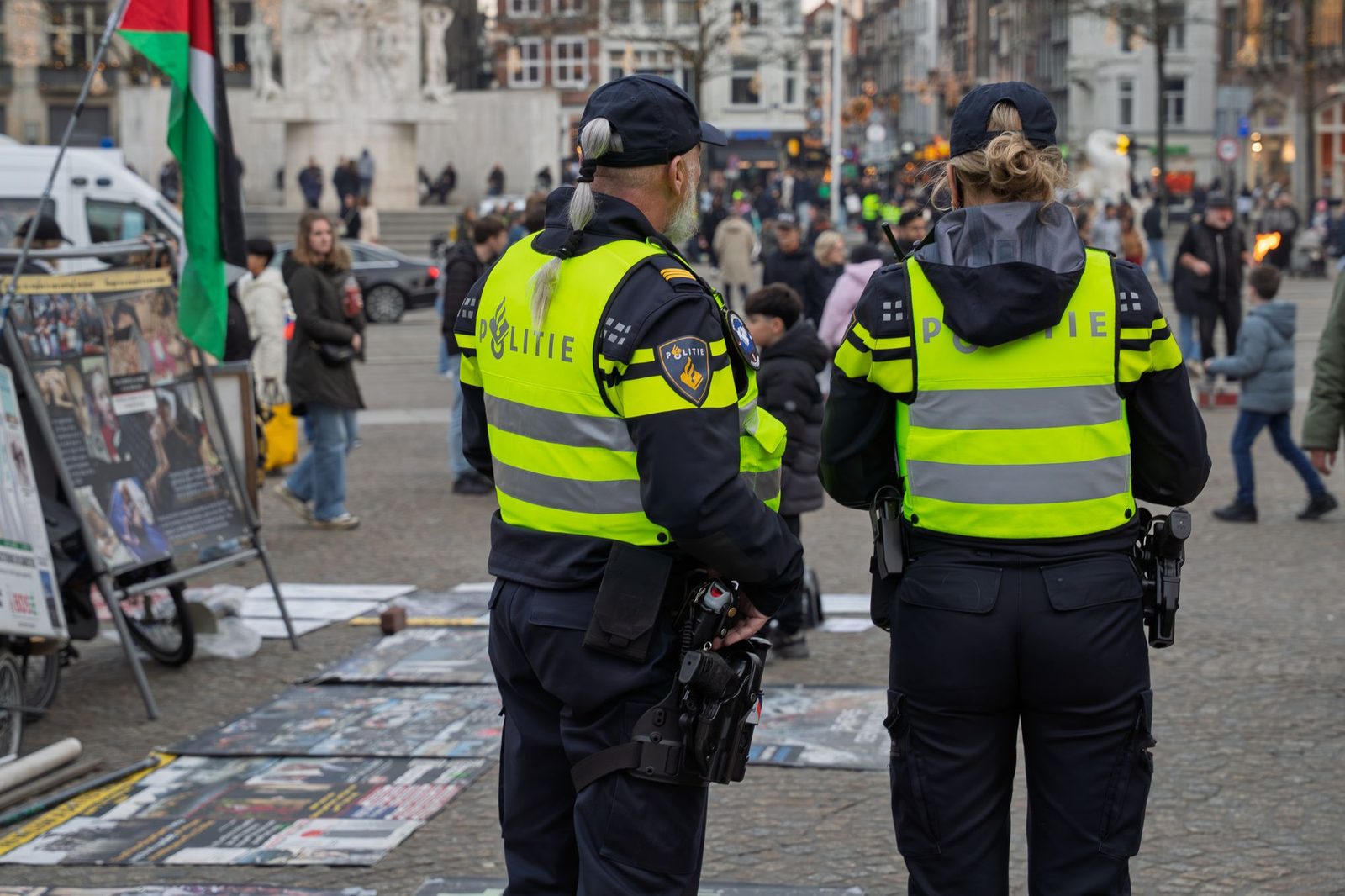
Drone law enforcement involves multiple agencies depending on the country and situation. National aviation authorities set the rules and may conduct inspections. Local police are often the first point of contact and can issue on-the-spot fines in many countries. Military police handle violations near military installations. Park rangers enforce restrictions within national parks and nature reserves. Coast guard authorities may enforce rules in coastal and maritime areas. Airport security responds to drone incursions near airports.
How Violators Get Caught
A flight can come to an authority's attention through direct observation, a report from the public or site staff, detection near sensitive infrastructure, or footage that identifies the location and operator. Do not confuse the aircraft manufacturer's geofence with enforcement: the built-in map is not the legal source, and a drone taking off successfully does not prove the flight is permitted.
Increasing Enforcement Trends
Enforcement is increasing across Europe. Several factors drive this trend. More drones in the sky mean more potential violations. High-profile incidents near airports have increased political pressure on authorities. Detection technology is becoming cheaper and more widely deployed. Public awareness of drone regulations has increased, leading to more reports. Dedicated drone enforcement units have been established in some countries.
The Most Common Violations and Their Fines
Understanding what violations are most commonly punished helps you prioritize compliance.
Flying Without Registration
This is one of the easiest failures to avoid. Register as an operator when the rules require it, place the number on the aircraft and enter it in Remote ID where applicable. One EU/EEA registration covers the whole zone, but Switzerland, the UK and several non-EASA countries run separate systems. Registration is not free everywhere; the current country table lists the verified fee and validity.
Flying in Restricted Airspace
Airport, military, government and critical-infrastructure zones carry the greatest safety and security risk. The shape and permission route are national; there is no EU-wide five- or eight-kilometre airport rule. Open the official national map immediately before the flight and read the conditions inside the polygon, including its height and active times.
Flying Over People and Crowds
The legal distance depends on the aircraft's class mark and whether the operation is in A1, A2 or A3. Assemblies of people are never permitted in the Open category. A lightweight aircraft does not turn a concert, demonstration, busy beach or packed viewpoint into a legal overflight.
Flying Without Insurance
Insurance duties differ by country, weight, subcategory and purpose. Flying without required cover can be a separate offence, but there is no defensible Europe-wide fine range. Check the destination page for the insurance scope and the verified penalties guide for figures we could tie to national legislation.
Privacy Violations
A flight can comply with aviation law and still breach privacy, data-protection or image-right rules. Those rules are separate from the Open-category framework and differ nationally. Avoid recording into homes or private gardens, minimise identifiable people, and check the destination's privacy authority before publishing footage captured systematically.
Losing Sight of Your Drone at Night
Night flying is allowed in the Open category across the EU, so it is not itself a violation — but C-class drones must show a flashing green light, and you must keep the drone within visual line of sight, which is much harder in the dark. The real risk is losing sight of (and losing) your drone; some sensitive zones or local rules may also restrict night flights, so check the geo-zone map.
Why country comparisons need care
Enforcement “reputation” is not a reliable planning tool. Published figures may be a maximum for an entire aviation-law category, a penalty band for legal entities rather than tourists, or a criminal provision reserved for deliberate entry into a prohibited area.
We currently publish numeric examples only where they tie to legislation or an official authority: France for prohibited-area flying, the administrative ceilings in Germany and Austria, Spain's statutory bands, and Greece for archaeological sites. The penalties and enforcement guide shows those sources and explains why it omits invented figures for the other countries.
Location-specific law often matters more than the aviation fine. A park authority may remove you from a protected area, a heritage body may control filming, and police may treat activity near military or critical infrastructure as a security matter. Check both the airspace and the place from which you operate.
Practical Steps to Avoid Every Fine
Following these steps systematically will keep you on the right side of the law in any European country.
Before Your Trip
Complete your drone operator registration and keep proof accessible on your phone and printed. Verify your liability insurance covers all countries you will visit. Complete the required online training for your drone category. Download the official drone airspace app for each country on your itinerary. Research specific restrictions at your planned flying locations.
Before Each Flight
Open the airspace app for the country you are in and verify your exact location is clear. Check for any temporary flight restrictions or NOTAMs. Verify weather conditions are suitable for safe operation. Ensure your drone displays your operator ID number. Confirm you have your registration certificate and insurance documentation accessible.
During Each Flight
Maintain visual line of sight with your drone at all times. Stay below 120 meters above ground level. Keep safe distance from uninvolved people according to your subcategory. Give way immediately to any manned aircraft. Do not fly over crowds, gatherings, or events.
What to Do If Approached by Authorities
If police, park rangers, or other authorities approach you about your drone operation, remain calm and cooperative. Have your documentation ready to present including registration, insurance, and training certificates. Stop flying immediately if requested. Answer questions honestly. Do not attempt to hide your drone or deny that you were flying. Being cooperative and showing proper documentation often results in a warning rather than a fine for minor issues.
The Hidden Cost of Violations
Depending on national law and the seriousness of the event, consequences can extend beyond an administrative payment: an operation can be stopped, equipment may be seized as evidence, authorisations can be affected, and conduct that endangers aircraft or enters protected security areas can become a criminal matter. Published footage can also document the location, altitude and operator after the flight.
Conclusion
Avoiding drone fines in Europe is straightforward if you approach it systematically. Register before you fly, check airspace before every flight, maintain safe distances from people, and carry your documentation. The regulations exist for good reasons, and following them protects both you and the people around you. The small investment of time in preparation and compliance is nothing compared to the financial and practical consequences of a drone violation in Europe.
Rules change and vary by country. Check the national authority before you fly — every country page links straight to it.