🇨🇭 Country guide · updated 2026-09
Drone laws in Switzerland
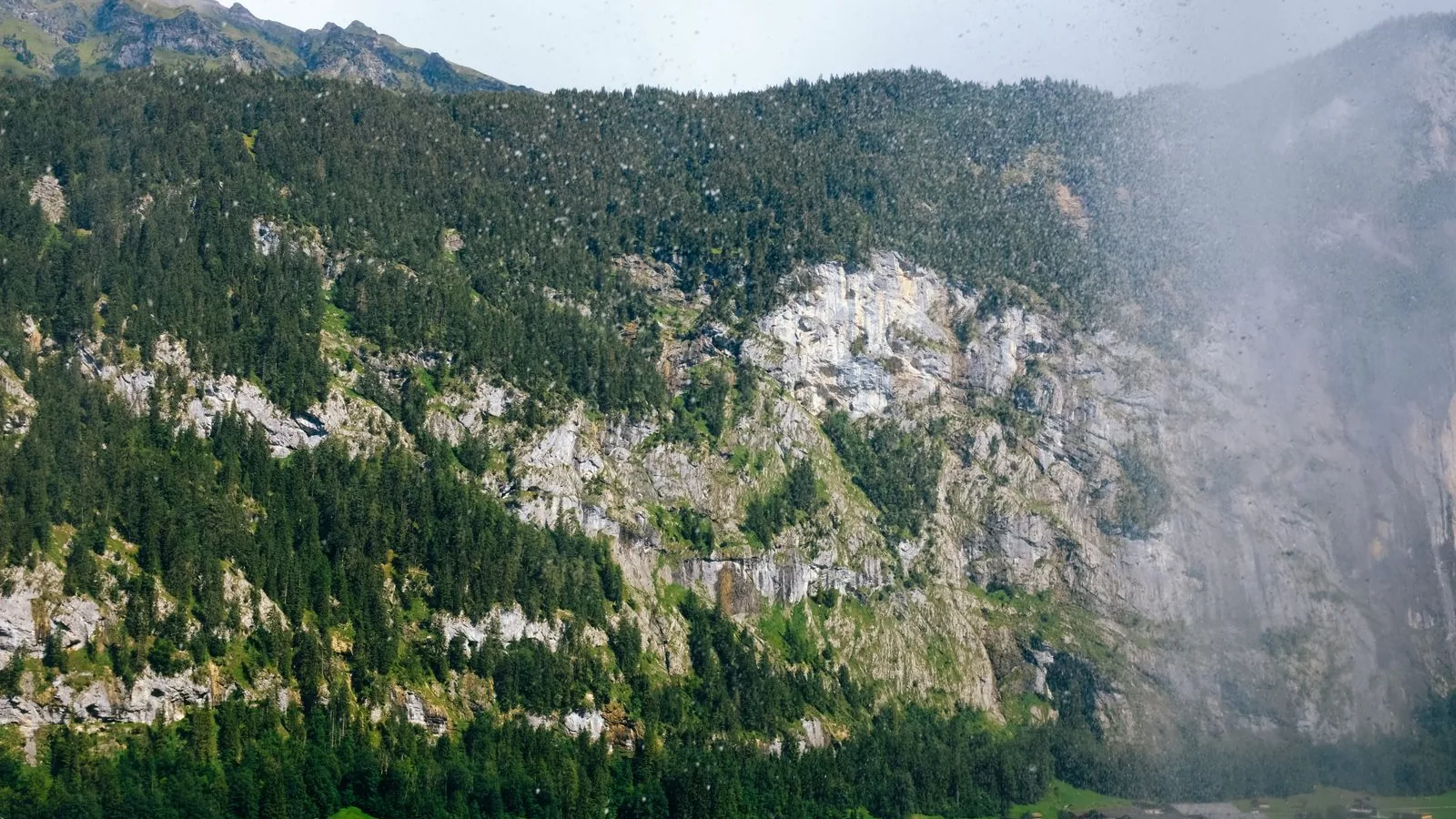
Switzerland offers some of the most spectacular alpine scenery in the world, making it a dream destination for drone photographers.
At a glance
- Registration
- CHF 10
- Registration portal
- dLIS (FOCA)
- Maximum height
- 120 m above ground level in the Open category.
- Insurance
- Required above 250 g
- Authority
- FOCA (Federal Office of Civil Aviation)
Switzerland offers some of the most spectacular alpine scenery in the world, making it a dream destination for drone photographers. From the iconic Matterhorn to pristine glacial lakes and lush green valleys, the photographic opportunities are endless. However, Switzerland is not an EU member state and maintains its own drone regulations through the Federal Office of Civil Aviation (FOCA), though these closely align with EU standards through bilateral agreements. The country's complex terrain, numerous small airports and heliports, and strict environmental protections create a unique regulatory environment that requires careful planning.
Country-specific decision path
Before you choose a launch point in Switzerland
- Confirm your operator paperwork Registration required — CHF 10. Outside the EU/EEA system. You need a separate registration here. Open dLIS (FOCA)
- Check the exact route on the official map FOCA drone map is the national starting point; read every condition covering the complete route, not only the launch pin. Open FOCA drone map
- Apply the local layer Swiss registrations and EU registrations are mutually recognized. Review the Switzerland zone and nature checks
Registration in Switzerland
Switzerland is not an EU member but has adopted equivalent regulations through bilateral aviation agreements with the EU. Swiss regulations closely mirror EU Regulations 2019/947 and 2019/945. Swiss drone registrations are recognized in EU countries and vice versa under mutual recognition agreements. FOCA maintains its own registration portal and geographic zone system.
Registration moved to the dLIS portal. Certificates issued on the former UAS.gate platform remain valid and an updated version can be downloaded from the dLIS profile — but UAS.gate itself is gone, and some official Swiss pages still link to it.
What it costs: CHF 10 — Ongoing.
Outside the EU/EEA system. You need a separate registration here.
How to register
- Create an account on the dLIS portal at dlis.bazl.admin.ch
- Register as an operator — you register yourself, not each drone
- Pay the CHF 10 fee; the minimum age is 12
- Take the online A1/A3 competency test and download the certificate from your dLIS profile
- Put your operator number on every drone you fly
- Arrange liability cover of at least CHF 1 million for anything above 250 g
- Check the federal drone map on map.geo.admin.ch before flying
Switzerland runs its own register and it is separate from the EU one: you register with FOCA through the dLIS portal, for CHF 10, from a minimum age of 12, and you register yourself as an operator rather than each aircraft. Recognition then works in both directions — a Swiss registration lets you fly in the EU, Liechtenstein, Norway and Iceland, and a certificate issued on dLIS is valid in all of them. The old UAS.gate platform is gone, though several official pages still point at it.
Flight rules
- Maximum height
- 120 m above ground level in the Open category.
- Line of sight
- Visual line of sight required. Mountain environments can make distance judgment challenging due to clear air and large features.
- Weight classes
- Categories similar to EU weight classes. High altitude significantly affects drone performance and battery life.
- Night flying
- Night flying is allowed in the Open category. A drone with a class mark must show a flashing green light so it stays visible. You still have to keep it in sight, which is harder after dark, and national geographical zones apply exactly as they do in daylight.
- Weather
- Good weather essential. Alpine weather changes rapidly. Föhn winds can be sudden and extremely strong. Check MeteoSwiss before every flight.
Switzerland adopted the EU drone framework on 1 January 2023, so the C0 to C6 class marks apply here as they do inside the Union, along with the A1, A2 and A3 subcategories that follow them. What differs is the paperwork around them rather than the marks themselves: the aircraft you may fly in a given subcategory is the same on both sides of the border, but the registration behind it is Swiss.
Where you may not fly
Switzerland publishes its restrictions as a layer on the federal geoportal, map.geo.admin.ch, which is the authoritative source and covers Liechtenstein as well. The layer marks aerodrome control zones and perimeters, wildlife protection areas, prisons, nuclear plants, military zones and energy infrastructure. The Swiss National Park is a complete no-fly area, and helicopter traffic and paragliders share the Alpine airspace in a way no map will show you.
Airports and controlled airspace
Zurich, Geneva, and Basel airports have extensive CTR zones. Numerous small airports, heliports, and mountain landing strips throughout the country.
Towns and cities
Zurich, Geneva, Bern, and other cities have restrictions. Federal buildings in Bern are restricted zones.
Protected nature
Swiss National Park completely prohibits drones. Many cantonal nature reserves have drone bans. Wildlife protection zones are strictly enforced.
Government and military sites
Federal Palace in Bern and diplomatic areas in Geneva are restricted. Military installations throughout the country.
Other restrictions in Switzerland
- Helicopter landing zones at mountain huts and rescue stations
- Paragliding and hang gliding areas (very common in Switzerland)
- Near cable car systems and ski lifts
- Event venues during major gatherings
- Cross-border areas near France, Germany, Italy, Austria, and Liechtenstein
- Switzerland adopted the EASA drone framework on 1 January 2023. A Swiss registration is separate from an EU/EEA one.
Insurance
Switzerland requires liability insurance for every drone above 250 g, with a minimum cover of CHF 1 million.
Penalties
Penalties are set nationally and applied administratively. Serious or dangerous breaches — flying near aircraft, over crowds, or in a protected zone — can lead to prosecution. We do not publish figures for Switzerland because no official penalty schedule was available to verify. Check with FOCA (Federal Office of Civil Aviation) for the current position.
Whatever the amount, the pattern across Europe is the same: paperwork failures are handled administratively, while flying near aircraft, over crowds, or inside a protected zone is what turns a case into a prosecution.
Visiting Switzerland with a drone
Swiss registrations and EU registrations are mutually recognized. Non-EU/non-Swiss visitors should register with FOCA before flying. Alpine conditions require extra preparation. Many iconic locations have restrictions.
Commercial work
Commercial operators must register with FOCA as professional operators. Mountain filming and tourism operations are popular but require proper authorization. Many cantons have additional requirements.
Location planning
These are well-known photographic subjects to research, not recommended launch points or proof that a flight is allowed. Check the exact route against official airspace, nature, land-manager and people restrictions.
- Lauterbrunnen Valley (away from helicopter routes)
- Lake Lucerne surroundings
- Engadin Valley and Upper Engadin lakes
- Jungfrau region (check restrictions)
- Lake Geneva shoreline (outside CTR zones)
- Ticino Italian-speaking region
Apps and official maps
- map.geo.admin.ch, BAZL drone layer - the official federal restriction map
- dLIS - FOCA's registration and competency portal
- MeteoSwiss - essential Alpine weather forecasting
- swisstopo - detailed Swiss topographic maps
Practical tips
- Swiss National Park is a complete no-fly zone - do not attempt it
- Mountain flying drastically reduces battery life due to altitude and cold
- Helicopter traffic is very common in the Alps - always watch and listen
- Paragliders and hang gliders share the same airspace - be vigilant
- Valley fog can trap your drone below visibility - plan altitude carefully
- MeteoSwiss is essential for understanding Alpine weather conditions
Questions about flying in Switzerland
Do I need to register to fly a drone in Switzerland?
Registration required — CHF 10. Outside the EU/EEA system. You need a separate registration here.
How high can I fly in Switzerland?
120 m above ground level in the Open category.
Do I need drone insurance in Switzerland?
Switzerland requires liability insurance for every drone above 250 g, with a minimum cover of CHF 1 million.
Can I fly a drone at night in Switzerland?
Night flying is allowed in the Open category. A drone with a class mark must show a flashing green light so it stays visible. You still have to keep it in sight, which is harder after dark, and national geographical zones apply exactly as they do in daylight.
What are the penalties for breaking drone rules in Switzerland?
Penalties are set nationally and applied administratively. Serious or dangerous breaches — flying near aircraft, over crowds, or in a protected zone — can lead to prosecution. We do not publish figures for Switzerland because no official penalty schedule was available to verify. Check with FOCA (Federal Office of Civil Aviation) for the current position.
Official sources
Primary sources used for this guide, checked September 2026. Open the live national source again before flying; geographical zones and temporary restrictions can change between reviews.
- National authority FOCA (Federal Office of Civil Aviation) — official drone information
- Registration dLIS (FOCA)
- Official zones and map FOCA drone map — FOCA / swisstopo
Rules change, and national authorities publish the current position. Before you fly, check FOCA (Federal Office of Civil Aviation) — it is linked at the top of this page too.